Ultimate Guide: Saving Pansy Seeds
Introduction
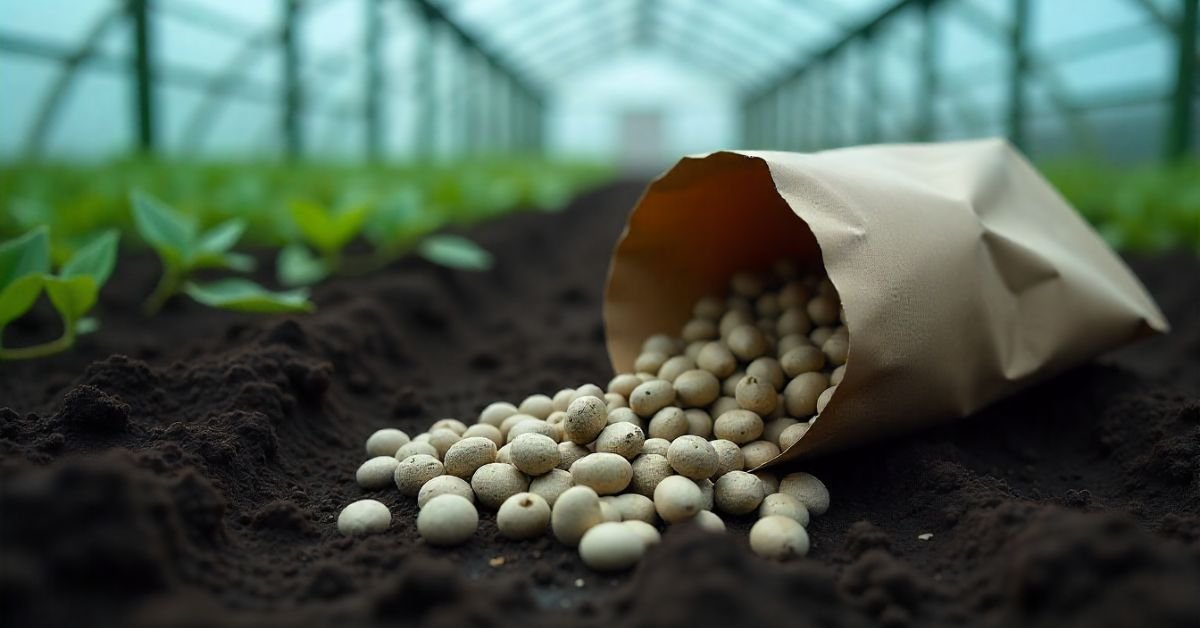
Saving pansy seeds from plants means collecting seeds from faded flowers to grow new ones later. Seed pods are formed when pansies bloom and begin to wilt. Inside those pods are tiny seeds that can be harvested, dried, and stored for future planting. It’s a natural and budget friendly way to keep your garden blooming season after season.
Imagine growing a beautiful garden without spending on new seeds every year. That’s the power of saving your own pansy seeds! It’s easy, satisfying, and even a little magical to watch new life grow from your own hands. Plus, it connects you more deeply to your plants and the growing cycle.
In this guide, you’ll learn when to collect the seeds, how to dry them properly, and how to store them safely. We’ll also share some bonus tips to help you grow healthy pansies next season.
How and When to Plant Pansy seeds
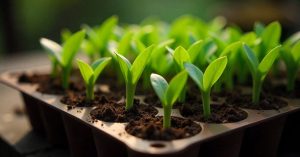
Planting pansy seeds is simple with a little care. A well drained soil and high quality seeds are the first steps in growing your own vegetables. If you’re planting indoors, use seed trays and keep them in a bright, warm place. Seeds should be lightly covered with soil and gently watered. The sprouts will appear within 10 to 14 days Once the seedlings are strong enough, move them to bigger pots or directly into your garden.
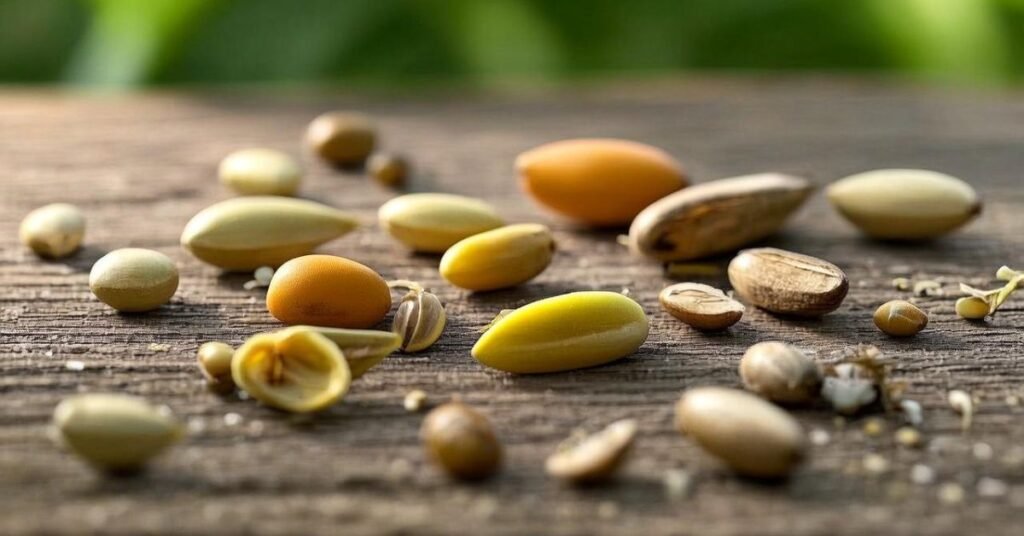
The best time to plant pansy seeds depends on your weather. For spring blooms, sow seeds in late winter indoors. If you want them to bloom in fall, start in late summer. Pansies love cool temperatures, so avoid planting them in extreme heat. A little patience will reward you with bright, cheerful flowers.
Propagating Pansies
Propagating pansies is a fun and simple process. You can grow them from seeds or cuttings. Start by choosing healthy parent plants. The seeds should be collected after the flowers have faded if you are using them. The seed pods should be allowed to dry before being opened. Sow seeds in well draining soil and keep them moist. Make sure they get enough sunlight.
If using cuttings, snip a healthy stem with a few leaves. Remove the lower leaves and dip the end in rooting powder.Water or soil should be moistened before placing the cutting.Indirect light and a warm spot are the best places for it. In a few weeks, roots will start to grow.Plant them once they have rooted in a pot or in a garden bed as soon as they have established roots.
Kinds of Pansies
Pansies come in many beautiful types. Each kind has its own charm. Some have bold colors, while others are soft and pastel. You can find them in solid shades or with pretty face like patterns. Let’s look at some common types of pansies in the table below.
| Pansy Type | Description |
| Swiss Giant | Large blooms with bright, bold colors. |
| Delta Series | Compact plants with strong weather resistance. |
| Matrix Series | Ideal for early blooms and uniform growth. |
| Joker Series | Fun color patterns that look like smiling faces. |
| Cool Wave | Trailing variety perfect for hanging baskets. |
| Colossus | Extra large flowers with strong stems. |
Why We Adore Pansies
We adore pansies for their cheerful colors. Their little faces seem to smile at us. They bloom early and last long. Even in cool weather, they stay strong. Taking care of and growing pansies is simple. They fit perfectly in gardens, pots, and window boxes.

Their variety makes them special. Some are soft and pastel, while others are bold and bright. They bring instant charm to any space. Kids love them, and so do gardeners. With pansies around, everything feels a bit more joyful.
Care for Pansies
Taking care of pansies is simple and rewarding. Just follow these easy tips:
- Sunlight: Give them full or partial sunlight.
- Watering: Keep the soil moist but not soggy.
- Soil: Use well draining, rich soil for healthy growth.
- Deadheading: Remove faded flowers to encourage more blooms.
- Feeding: Use a gentle fertilizer every few weeks.
- Spacing: Give them space to breathe and grow
Pansy Flower Fact
Pansies are more than just pretty flowers. They belong to the violet family. Their name comes from the French word pensée, meaning “thought.” That’s why they often symbolize remembrance and love. Pansies can even survive light frost, making them perfect for cool seasons.
Conclusion
A pansy is a bright, cheery flower that is sure to brighten up anyone’s day.Plants like these grow quickly and are easy to take care of. With so many colors and types, they bring beauty to any space. Whether in gardens or pots, pansies never fail to charm. Growing them is a simple joy for all flower lovers.
FAQs
1. When is the best time to plant pansies?
Early spring or fall is ideal, as pansies love cool weather.
2. How often should I water my pansies?
Water them regularly, keeping the soil moist but not soggy.
3. Can pansies grow in pots?
Yes, pansies do great in pots, baskets, and containers.
4. Do pansies need full sun?
They like full or partial sunlight, especially in cooler temperatures.
5. How long do pansy flowers last?
The blooming period of pansies can last several months when they are properly cared for.