Pink Petals Aesthetic Uses and Meanings

Introduction
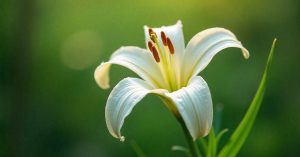
Pink petals are the soft, colored parts of flowers that show gentle shades of pink. They are often linked with flowers like roses, cherry blossoms, and peonies. These petals are admired for their delicate texture and calming appearance. Their light color gives a sense of softness, freshness, and natural beauty.
Pink petals instantly catch attention because they feel peaceful and romantic. They create a soothing mood and add charm to any space. Many people feel calm and happy when they see them. Their gentle tone makes them perfect for expressing emotions without being too bold.
Pink petals are widely used in art, décor, and special occasions. They symbolize love, grace, and kindness. Designers use them in weddings, photography, and creative projects. Their meaning and beauty make them a timeless choice for aesthetic expression.
Natural Formation and Growth Process
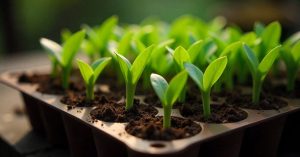
Flower development begins with small buds that slowly open with sunlight and water. Each layer grows in balance and follows a natural pattern. Climate, soil quality, and care influence final shape and color.
These soft layers protect the inner flower during early growth. Later, they open fully and support pollination. Bees and butterflies respond to their color and scent. This process supports plant life and natural balance.
Color Psychology and Emotional Impact
Soft pink shades often connect with kindness and calm thoughts. Many people associate this tone with love, care, and emotional safety. It creates a peaceful mood in homes and public places.
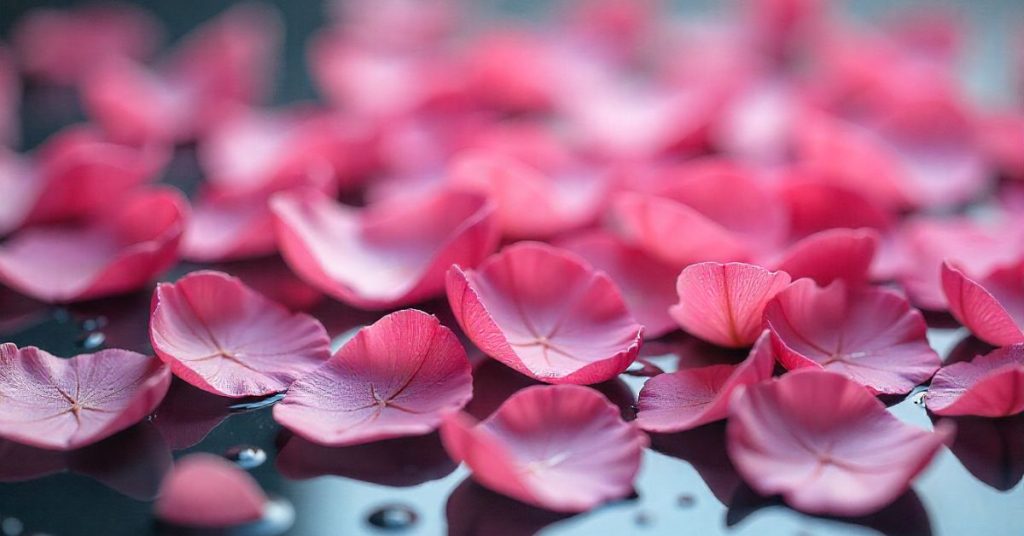
Designers use this color to reduce stress and promote comfort. Hospitals, bedrooms, and relaxation spaces often include similar tones. Emotional responses stay gentle and positive when this color appears.
Cultural and Traditional Meanings
Different cultures give deep meaning to flower colors. In Asian traditions, soft pink shades express youth, hope, and renewal. In Western societies, they often represent admiration and gentle affection.
Festivals and ceremonies use these flowers to show respect and emotional balance. Poets and writers include them to describe soft emotions. Their symbolic value remains strong across generations.
Decorative and Creative Applications
People use floral layers in home décor, weddings, and art projects. Their light color matches many themes and settings. Designers enjoy their flexibility in creative work.Craft lovers press them for artwork or handmade cards. Event planners include them in centerpieces and arches. These uses enhance beauty without overwhelming the space.
Role in Gardening and Landscaping
Gardeners plant flowers with soft shades to add visual flow. These plants blend well with green leaves and bright blooms. They help balance strong colors in outdoor spaces.
Landscapers place them near walkways and sitting areas. Their gentle appearance encourages relaxation. Proper care keeps them fresh and attractive throughout the season.
Care, Preservation, and Handling
Fresh flowers need clean water and gentle handling. Trimming stems helps improve water flow. Cool temperatures slow down wilting and keep them lively.
Drying methods help preserve their form and shade. Air drying works best in dark, dry areas. Preserved floral layers last longer for décor and crafts.
Comparison of Uses and Benefits
Understanding different uses helps people choose the right purpose. The table below explains common applications and benefits clearly.
| Application Area | Purpose | Key Benefit | Common Setting |
| Home Decoration | Visual comfort | Calm atmosphere | Living rooms |
| Event Styling | Theme balance | Elegant look | Weddings |
| Art Projects | Creative design | Lasting beauty | Craft rooms |
| Gardening | Landscape harmony | Natural balance | Outdoor gardens |
| Cultural Events | Symbolic meaning | Emotional value | Ceremonies |
These uses show how flexible floral layers can be. Each purpose adds value without complexity.
Influence in Literature and Art
Artists often use soft floral elements to express emotion. Painters show them to represent innocence and peace. Writers include them to describe gentle moments.
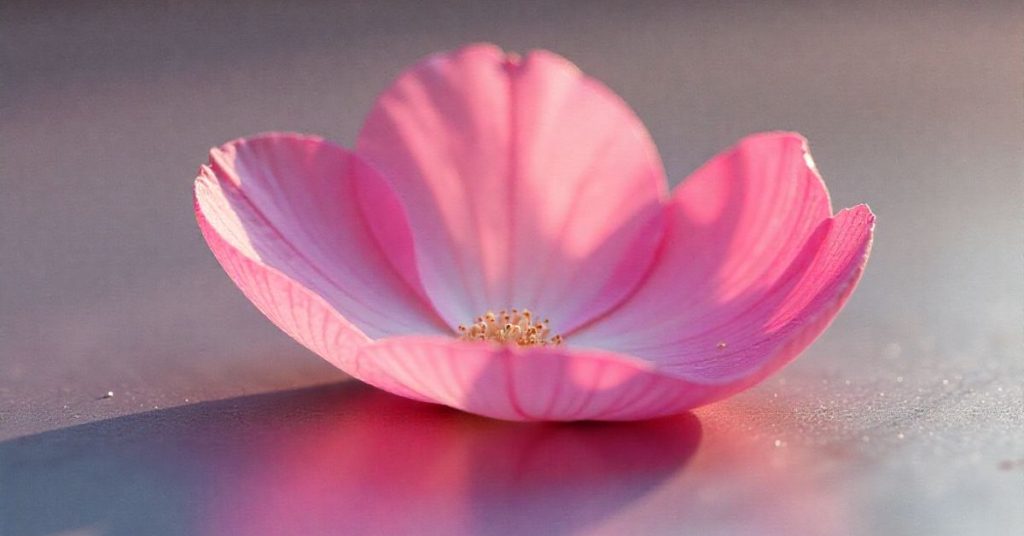
Poems and stories use these visuals to soften strong scenes. They help readers feel comfort and emotional connection. Artistic expression grows richer through these symbols.
Environmental Importance
Flowers support ecosystems by helping pollination. Their color attracts insects that spread pollen. This process supports plant reproduction.Healthy gardens improve air quality and biodiversity. Growing flowers helps nature stay balanced. Small actions in planting create long-term benefits.
Modern Trends and Lifestyle Use
Modern homes include soft floral elements for style. Social media trends highlight natural décor and calm themes. These choices reflect a desire for peaceful living.People prefer natural beauty over heavy designs. Floral inspiration fits minimalist lifestyles. This trend continues to grow worldwide.
Final Thoughts on Gentle Floral Beauty
Nature offers beauty that feels calm and meaningful. Soft floral layers connect people with emotion and creativity. Their presence improves mood and surroundings.Pink petals continue to inspire art, culture, and daily life. Their gentle form suits many purposes. Understanding their value helps people enjoy nature more deeply.
FAQs
1. What do pink petals symbolize?
Pink petals usually symbolize love, gentleness, care, and emotional warmth in many cultures.
2. Why are pink petals popular in decorations?
Pink petals create a soft, calm look that suits homes, weddings, and peaceful event themes.
3. How do pink petals support nature?
Pink petals attract pollinators like bees and butterflies, which helps plants grow and reproduce.
4. Can pink petals be used for creative projects?
Yes, pink petals work well in art, crafts, and pressed flower designs because of their delicate beauty.
5. How can pink petals be preserved for long use?
Pink petals can be air-dried in a cool, dark place to keep their shape and color longer.