Easy Guide to Planting Lavender Seeds

Introduction
Lavender is a fragrant herb known for its calming scent and beautiful purple flowers. Planting lavender seeds is a simple way to grow this soothing plant at home. It belongs to the mint family and thrives in sunny, dry areas. Lavender not only adds beauty to your garden but also helps keep pests away naturally.
If you love the smell of fresh lavender, growing it from seeds is a rewarding experience. Watching tiny seeds turn into blooming plants feels amazing. Lavender can be used for decoration, making oils, or even in skincare. Its soft fragrance brings peace and relaxation to your space.
To start planting lavender seeds, choose a sunny spot and well-drained soil. Gently press the seeds into the soil without covering them too deeply. Keep the soil slightly moist until the seeds sprout. With a little care and patience, you’ll soon enjoy the lovely sight and scent of lavender blooming in your garden.
When to Start Lavender Seeds
You should start lavender seeds indoors 10 to 12 weeks before your area’s last expected frost. This gives the young seedlings time to grow and strengthen before the cold is gone. If you wait too late, the plants may not get enough time to establish roots.
In milder climates, you also have the option to sow lavender outdoors in early spring once the soil warms and frost danger has passed.Some gardeners even sow in fall in regions without harsh winters, so the seeds can cold-stratify naturally over winter.
Selecting a Container for Lavender Plants
Choose a container with good drainage and breathable material like terracotta or un-glazed clay to help excess moisture escape.
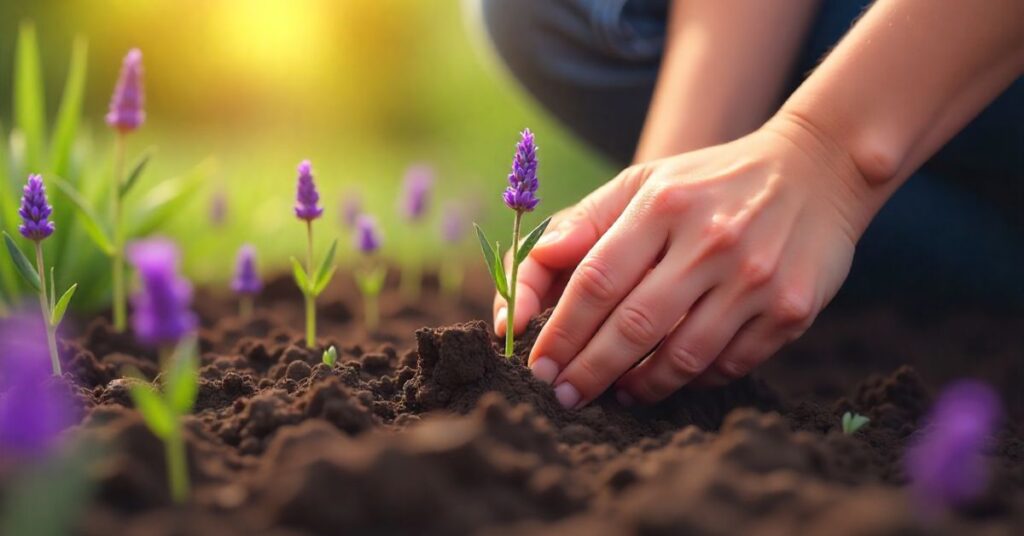
The pot should be at least 12 inches (30 cm) in diameter for small varieties, or 16 inches or more for larger types. Make sure the pot has drainage holes at the bottom to avoid water logging.
Soil Mix and Amendments
Lavender prefers well-draining soil that is neutral to slightly alkaline in pH.A good mix is half potting soil and half coarse sand or gravel, plus perlite to improve drainage.You can also add a bit of garden lime or crushed shell to raise pH slightly.Avoid overly rich, moist soil or too much fertilizer lavender doesn’t like heavy, water-retaining mixes.
Transplant Lavender Seedlings
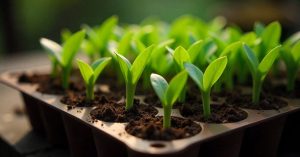
When seedlings reach about an inch tall and have a few true leaves, it’s time to transplant them.Choose a new pot a couple of sizes larger, with fresh soil mixture.Plant so that the soil line of the seedling matches the surrounding soil and don’t bury the crown. After transplanting, water lightly and use a thin layer of mulch (gravel or rock) to help retain moisture without over saturating the soil.
Popular Lavender Seeds
Lavender seeds come in many varieties, each with its own charm. These seeds produce beautiful, fragrant plants that attract bees and butterflies. Growing lavender from seeds is easy and rewarding. You can choose from several popular types depending on your garden style and climate.
Lavender Seeds
Lavender seeds are small and aromatic. They grow into lovely plants with purple blooms and a calming scent. These seeds can be started indoors or directly in the garden. With sunlight and well-drained soil, they thrive and add beauty to any space.
Lavender Seeds (Organic)
Organic lavender seeds are grown naturally without chemicals or pesticides. They are perfect for eco-friendly gardeners. These seeds produce pure, healthy plants with strong fragrance. Organic lavender is ideal for making oils, soaps, and natural remedies.
Lavender Seeds – Munstead
Munstead lavender seeds are one of the most popular types. They grow into compact plants with deep purple flowers. Munstead is known for its strong scent and hardiness. It’s great for borders, pots, or garden edges and blooms beautifully in summer.
Lavender Seeds – Spike (Latifolia)
Spike lavender, also known as Latifolia, has tall stems and large flowers. It has a strong, fresh aroma often used in essential oils. This variety grows best in sunny spots and dry soil. Spike lavender adds height and fragrance to any garden.
Types of Lavender You Can Grow From Seed
| Lavender Type | Description | Best For |
| English Lavender (Lavandula angustifolia) | Compact plant with sweet fragrance and purple blooms. | Cooler climates and garden borders. |
| French Lavender (Lavandula dentata) | Has serrated leaves and light purple flowers. | Warm, dry regions and decorative pots. |
| Spanish Lavender (Lavandula stoechas) | Unique “rabbit ear” petals on top of flower heads. | Ornamental gardens and sunny spots. |
| Munstead Lavender | Early-blooming, hardy variety with deep purple flowers. | Small gardens and containers. |
| Hidcote Lavender | Compact plant with dark violet blooms and strong scent. | Fragrance gardens and low hedges. |
| Spike Lavender (Lavandula latifolia) | Tall stems and large flower heads with fresh aroma. | Essential oil production and sunny areas. |
| Lavandin (Lavandula x intermedia) | Hybrid variety with long stems and strong fragrance. | Large gardens and dried flower crafts. |
Caring for Lavender Seedlings
- Give seedlings 6 to 8 hours of direct sunlight each day or use grow lights.
- Keep soil moist but never soggy, let the top layer dry slightly before watering again.
- Ensure good air circulation around seedlings to avoid fungal diseases like damping-off.
- Use a well-draining soil mix (e.g. sand + potting mix + perlite) to prevent root rot.
- Avoid heavy fertilizing early on; once they have a few true leaves, you may feed lightly at half strength.
- When seedlings are strong and several inches tall, harden them off and expose them gradually to outside conditions.
Conclusion
Growing lavender from seeds is a simple and rewarding experience. With the right care, sunlight, and soil, your plants will thrive and fill your space with beauty and fragrance. Lavender not only looks lovely but also brings calmness and charm to any garden. Whether you grow it indoors or outdoors, patience and regular care will help your lavender flourish and bloom beautifully.
FAQs
1. How long does it take for lavender seeds to germinate?
Lavender seeds usually take 14 to 28 days to germinate, depending on temperature and moisture.
2. Can I grow lavender indoors from seeds?
Yes, you can grow lavender indoors if you provide enough sunlight or use grow lights for at least 6 hours daily.
3. What is the best soil for lavender seedlings?
Lavender grows best in well-drained, sandy, or gritty soil with a slightly alkaline pH.
4. How often should I water lavender seedlings?
Water only when the top layer of soil feels dry lavender prefers drier conditions.
5. When can I transplant my lavender seedlings outdoors?
Transplant your seedlings after the last frost when they are strong and have a few sets of true leaves.