Chocolate Lily Plant: A Unique Wild Flower

The chocolate lily plant is a rare flowering species known for its deep colour and soft scent. Many people feel curious when they see this bloom because it looks unusual and rich at the same time. Its petals often appear dark brown or maroon, which makes it stand out in natural landscapes.
Garden lovers and plant learners enjoy reading about this species due to its wild origin. This plant grows naturally without much human care, which adds to its natural charm. Its look and growth pattern make it different from common garden flowers.
What Is a Chocolate Lily?
This flower belongs to a group of plants that grow from bulbs. It appears mostly in open grasslands and cool regions where soil stays moist. The plant blooms in spring and fades quietly after the season ends.
People often confuse it with decorative lilies, but it has a simple wild form. Its shape stays slim, and its flowers hang slightly downward. This feature helps protect pollen from rain and wind.
Natural Habitat and Origin
This species grows mainly in wild fields, forest edges, and mountain slopes. It prefers places where sunlight reaches the ground without harsh heat. These natural settings support steady growth and healthy blooms.
The plant evolved to survive in areas with cool weather and clean air. Because of this, it does not adapt well to crowded urban gardens. Its natural home keeps it strong and balanced.
Physical Appearance and Color
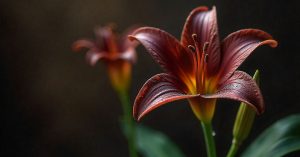
The flower shows dark petals with a smooth surface and a soft shine. Its color ranges from deep brown to dark purple, depending on soil and light. This tone gives it a rich and earthy look.
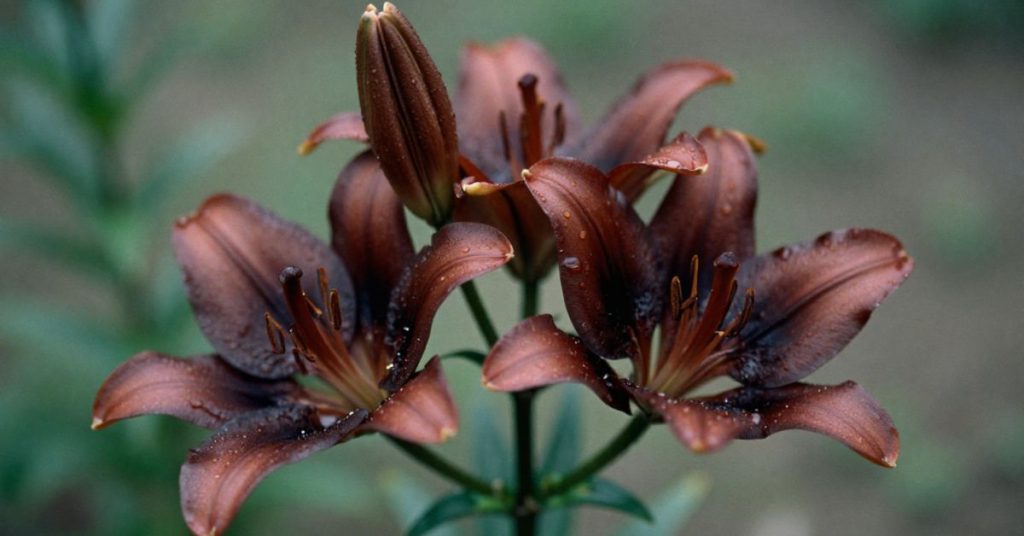
The stem stays thin but firm, holding one or more flowers. Leaves grow narrow and long, spreading gently along the stem. This structure helps the plant save energy.
Fragrance and Name Meaning
Many people notice a light scent coming from the bloom. The smell reminds some of cocoa or vanilla, which explains the popular name. This fragrance stays soft and never feels strong.
The name does not come from real chocolate but from scent and color. Nature often inspires names based on human feelings and senses. This flower fits that idea perfectly.
Growth Cycle Explained
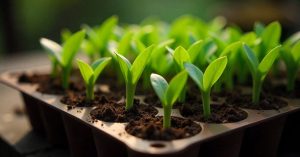
The plant begins its life from a bulb hidden under soil. During early spring, green shoots rise slowly as temperature warms. Soon after, buds form and open into flowers.
Once flowering ends, the plant shifts energy back into the bulb. Leaves dry, and the visible part disappears. This rest phase helps it survive until the next season.
Soil and Climate Needs
This plant prefers loose soil that drains water well. Wet but airy ground supports healthy roots. Heavy clay soil often causes bulb damage.
Cool and mild climates suit it best. Too much heat weakens growth and reduces flowering. Natural rainfall usually provides enough moisture.
Sunlight Requirements
Partial sunlight helps this plant grow well. Morning sun works better than harsh afternoon rays. Soft light keeps petals rich in colour.
Full shade slows growth, while full sun dries soil quickly. A balanced light setting gives the best results.
Watering Guidelines
Regular but light watering keeps soil moist. Over-watering causes root problems and weak stems. Natural rain often covers its needs.Dry spells require careful watering. The soil should never stay soggy. Gentle care supports long life.
Propagation Methods
People grow this plant mainly from bulbs. Bulbs divide naturally after a few years. Gardeners can separate them during dormancy.
Seed growth takes more time and patience. Seeds need cold exposure before sprouting. Bulb propagation remains easier.
Common Pests and Issues
Few pests bother this plant due to its wild nature. Slugs may attack young shoots during wet weather. Simple barriers help prevent damage.
Fungal issues appear when soil stays too wet. Good drainage solves most problems. Healthy soil keeps the plant safe.
Uses in Landscaping
This flower adds beauty to natural gardens and wild beds. Designers use it for woodland themes and native plant areas. Its dark tone creates contrast.
It works best in small groups rather than alone. Group planting gives a natural look and supports pollinators.
Ecological Importance
The flower supports insects during early spring. Bees and flies visit it for nectar. This helps pollination in nearby plants.
Native plants like this protect local ecosystems. They maintain soil health and support wildlife balance.
Difference From Other Lily Types
Unlike common lilies, this species stays small and simple. It does not grow tall or flashy. Its beauty stays subtle.
Its life cycle also differs due to dormancy. Many garden lilies stay green longer. This one rests quietly underground.
Seasonal Care Tips
Spring needs light feeding and clean soil. Summer requires no care because the plant rests. Autumn allows bulb checking if needed.
Winter cold helps prepare it for bloom. Avoid digging during this time. Nature handles most care steps.
Quick Facts and Growing Guide
| Feature | Details |
| Plant Type | Bulb-based flowering plant |
| Bloom Season | Early to mid spring |
| Flower Colour | Dark brown to purple |
| Preferred Soil | Loose and well-drained |
| Sunlight | Partial sunlight |
| Water Need | Moderate |
| Climate | Cool and mild |
| Height | Short to medium |
| Propagation | Bulbs and seeds |
| Wildlife Support | Pollinators |
| Maintenance Level | Low |
| Native Regions | Grasslands and slopes |
Is It Suitable for Home Gardens?
Some gardeners grow it successfully in natural beds. It suits homes with open soil and mild weather. Pots work only with proper care.People who enjoy native plants find it rewarding. It does not suit decorative lawns or indoor spaces.
Interesting Facts You Should Know
This plant can live many years without moving. It adapts slowly but strongly. Wild species often show better survival.
Many regions protect it due to habitat loss. Growing awareness helps preserve it for the future.
Why People Love This Flower
People admire its rare look and gentle scent. It feels calm and natural. Its color feels deep and artistic.
The chocolate lily plant attracts those who enjoy quiet beauty. It does not demand attention but earns respect through simplicity.
Final Thoughts
This plant teaches patience and appreciation of nature. It grows slowly and blooms briefly. Yet its presence leaves a strong impression.
Learning about the chocolate lily plant helps people value native flowers. Respecting natural growth keeps these species alive for future generations.
FAQs
1. What is a choclate lily plant?
A choclate lily plant is a rare wild flowering plant known for its dark-colored petals and light chocolate-like scent.
2. Where does the choclate lily plant grow naturally?
The choclate lily plant grows in open grasslands, forest edges, and cool regions with moist, well-drained soil.
3. Does the choclate lily plant need full sunlight?
The choclate lily plant grows best in partial sunlight, especially gentle morning light.
4. How often should a choclate lily plant be watered?
The choclate lily plant needs moderate watering, keeping the soil moist but never soggy.
5. Is the choclate lily plant easy to grow at home?
The choclate lily plant is easy to grow in natural gardens with cool climates and proper soil drainage.