Blue Lavender Plant Benefits
Introduction
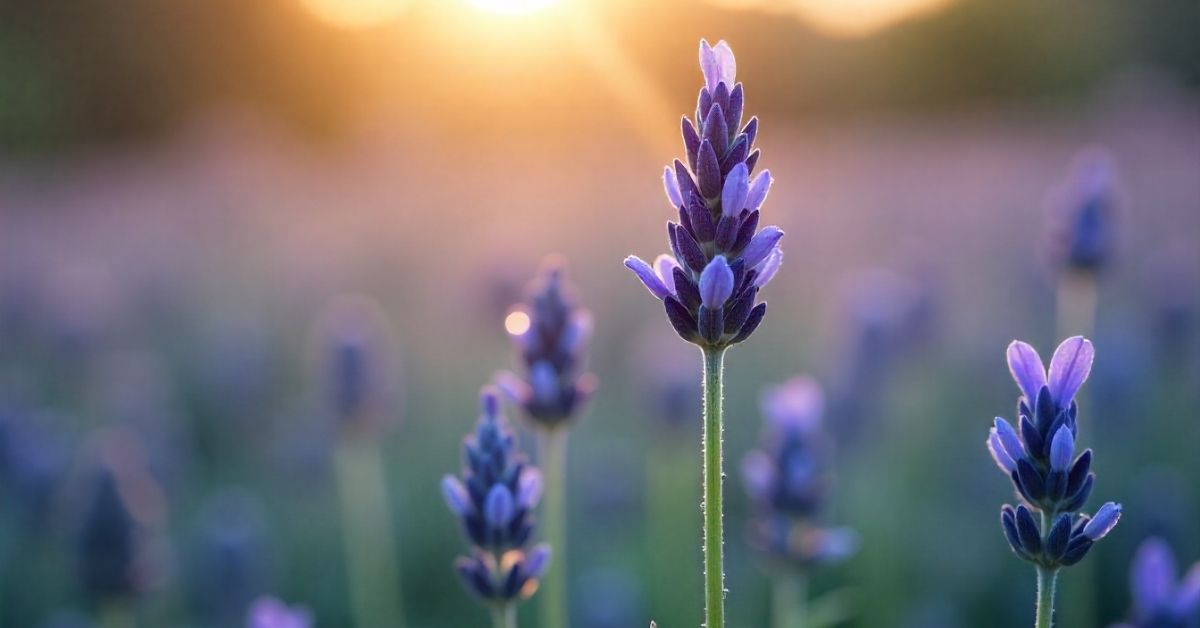
The blue lavender plant is a beautiful herb known for its calming fragrance and bright purple-blue flowers. It belongs to the mint family and grows easily in gardens or pots. This plant is often used for decoration, relaxation, and natural healing. Its soft scent makes it a favorite for aromatherapy and home gardens.
Many people love the blue lavender plant not only for its looks but also for its soothing powers. Its fragrance helps reduce stress, improve sleep, and lift mood. The plant’s natural oils are used in skincare and haircare products. Having this plant at home creates a peaceful and refreshing environment.
The blue lavender plant is full of benefits for both mind and body. It can help in healing minor wounds, keeping mosquitoes away, and adding beauty to your space. Whether you use it fresh, dried, or as an oil, this plant brings nature’s calmness into your daily life.
Best site: sun and soil
Place plants where they receive at least six hours of direct sun. Full sun gives the best bloom, strong stems, and compact shape.Use very well-draining soil. A sandy or gritty mix keeps roots healthy. In heavy clay, raise the bed or use a container to avoid standing water.
Planting time and spacing
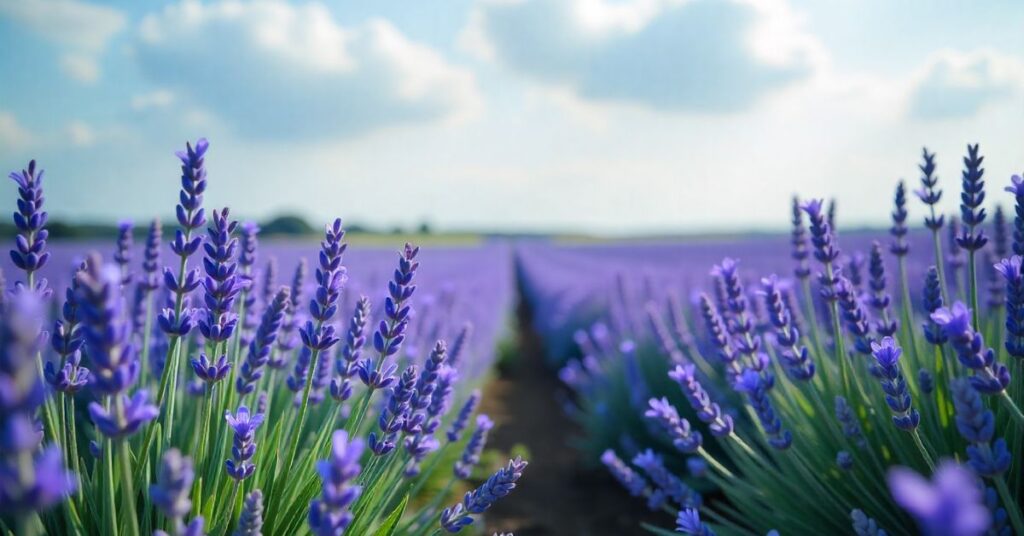
Plant in spring after the last frost or in early fall in warm regions. Timing helps roots establish before extreme heat or hard freezes arrive.Space plants 12–24 inches apart, depending on variety size. Good spacing ensures air flow and reduces disease risk.
Watering and drainage
Water new transplants regularly until they root in. After establishment, water deeply but infrequently; let the top soil dry between waterings. Overwatering causes root rot.In pots, water when the soil feels dry an inch below the surface. Use pots with drainage holes and a light potting mix to avoid soggy roots.
Long table — Varieties comparison
Below is a long, simple table you can quickly use to choose a cultivar that fits your garden.
Use this table to match height, climate, and landscape needs. Choose a type that fits your zone and garden space.
Propagation methods
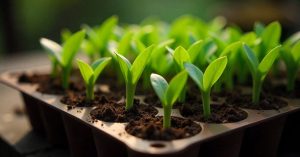
Grow new plants from cuttings for the fastest, true-to-type results. Cut non-flowering stems in late spring or early summer and root them in a light mix.
You can also start from seed, but seeds need more time and may vary by cultivar. Seedlings need careful winter protection in cold zones.
Pruning and seasonal care
Prune once a year after flowering to shape the plant and remove spent flower spikes. Cut back no more than one-third to avoid cutting into old wood.
In spring, clean out dead stems and thin to maintain an open crown. Avoid heavy pruning late in the season to let the plant harden for winter.
Pests and disease basics
This plant resists most pests, but watch for root rot in wet soil and occasional fungal spots in poor air flow. Good drainage and spacing prevent most issues.
If you see fungal leaf spots, remove affected leaves and improve circulation. Use only gentle, approved treatments if needed.
Container vs in-ground planting
Containers suit patios, balconies, and small gardens. Use a free-draining potting mix and a wide shallow pot to match the root habit. Water more often than in the ground.In the ground, choose a raised bed or slope if your soil holds water. Let the soil dry between waterings to keep roots healthy.
Harvesting, uses, and drying
Cut flower stalks when the buds show color but before full bloom for the best scent and long-lasting dried stems. Hang bundles upside down in a cool, dark place to dry.
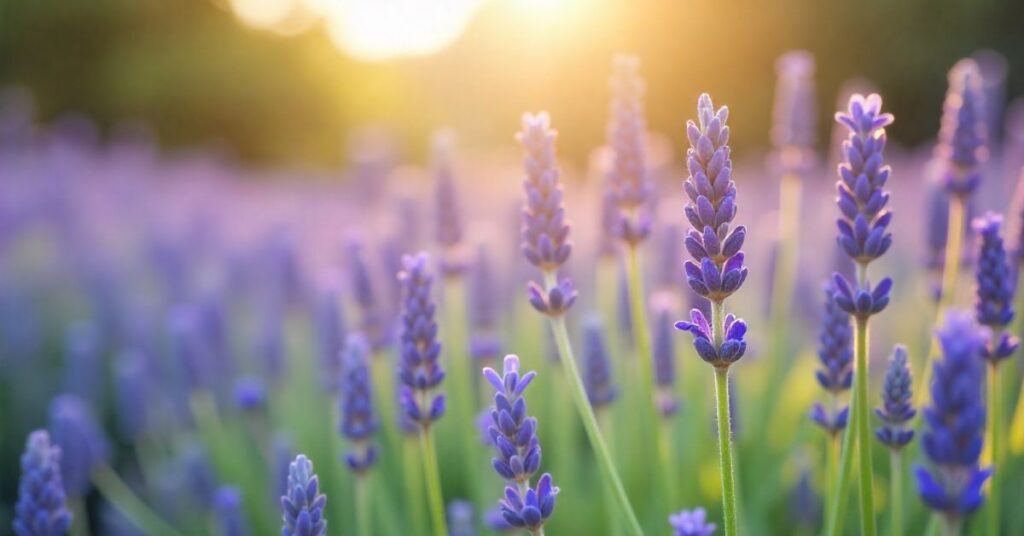
Use fresh or dried sprigs in sachets, crafts, and simple infused oils. Small bouquets and pollinator displays add charm to the garden.
Troubleshooting tips
If plants look leggy, move them to a sunnier spot and prune lightly to encourage bushy growth. Leggy growth often means low light.If leaves yellow or the plant wilts, check soil moisture and drainage. Reduce watering and lift the plant if roots sit in water.
Conclusion
This plant gives bright, fragrant flower spikes and easy care when you match light and soil needs. Choose a suitable variety, give good drainage, and prune yearly to keep plants healthy and blooming.Follow the simple steps above and your plants will reward you with long seasons of color and scent. If you want, I can now make a printable care sheet or a short video script to teach others how to plant and prune.
FAQs
1. What is a blue lavender plant?
The blue lavender plant is a fragrant herb with purple-blue flowers known for its calming scent and healing properties.
2. How do I care for a blue lavender plant?
Plant it in well-drained soil and place it in full sunlight. Water it lightly and avoid overwatering.
3. What are the benefits of the blue lavender plant?
It helps reduce stress, improves sleep, and adds a pleasant fragrance to your home or garden.
4. Can I grow a blue lavender plant indoors?
Yes, it can grow indoors if it gets enough sunlight and fresh air.
5. How is blue lavender used?
It’s used in aromatherapy, skincare, and home décor for its relaxing scent and natural beauty.