Best Blue Hosta Plant Varieties

Introduction
Blue hosta varieties bring a calm, cool charm to any garden. These plants are known for their soft blue-toned leaves that create a soothing contrast with brighter foliage. Their unique shades make them stand out in shaded spaces, giving the garden a refreshing and elegant appearance. Gardeners love them because they are hardy, easy to grow, and visually appealing all season long.
Each blue hosta type has its own leaf shape, size, and shade of blue, making it easy to pick one that fits your garden style. Some varieties grow compact and neat, perfect for pots or small spaces. Others spread widely with bold leaves that create a strong visual impact. Their diverse textures and patterns make them an excellent choice for adding depth and dimension to any landscape.
Blue hostas also thrive with very little effort, making them ideal for beginners and busy gardeners. They prefer shady corners, moist soil, and consistent care to keep their color rich and vibrant. Whether you want a plant that stands alone or one that complements other shade-loving species, blue hosta varieties offer a beautiful and reliable option for every garden.
Main Features of This Cool-Toned Plant
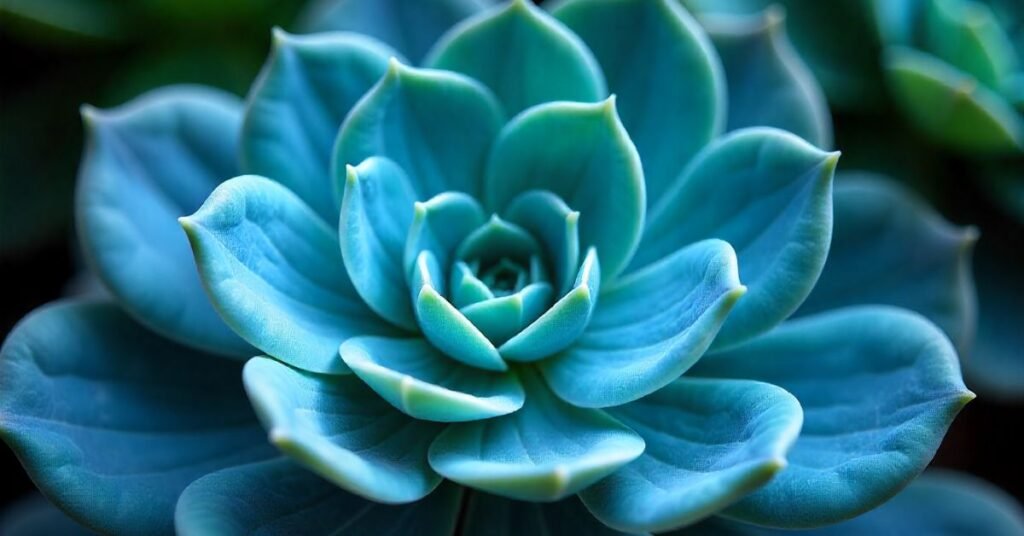
This plant is known for its broad leaves that come in gentle shades. The leaves often show a powder-like surface that gives them a misty look. Each leaf spreads out wide and fills empty spaces very well.
These plants also form neat groups that grow slowly. Their soft edges and rounded shape give the garden a calm feeling. Many gardeners love this look because it feels clean and steady.
Popular Varieties Found in Gardens
There are many types that show cool colors, and each type has its own charm. Some are large and bold, while others are small and neat. These choices help gardeners select the right size for any place.
Smaller types fit well in pots or tight corners. Larger ones look great beside paths or large beds. Each type brings a unique touch to simple gardens.
Soil Needs for Strong Growth
This plant grows best in soil that drains well and stays slightly moist. Loose soil helps roots spread easily while still holding enough water. When the soil is soft, the plant grows stronger.
Adding organic matter makes the soil richer. This extra layer helps the plant stay firm and active. Healthy soil is the first step toward a healthy plant.
Watering Needs for Fresh Leaves
These plants like consistent moisture. Watering should keep the soil slightly damp without soaking it fully. Too much water can harm the roots.
During warm days, water slowly so the soil gets wet evenly. A gentle routine helps the plant stay cool and bright. Proper watering supports even growth.
Sunlight Needs for Best Colors
These plants prefer soft light and shaded areas. Harsh rays can dull their color and weaken their leaves. Growing them in partial shade keeps them vibrant.
Light shade also protects the leaf surface. When the plant receives the right amount of light, it grows evenly and looks smooth.
Growth Habit and Size Patterns
This plant grows in small groups that spread over time. Every year, the bunch becomes wider and shapes itself around nearby soil. This makes the plant look neat and full.It stays low to the ground and does not grow tall. The rounded shape makes it easy to place in many areas. Gardeners enjoy how it stays tidy.
How to Plant for Best Results
Dig a hole slightly wider than the root base. Place the plant gently inside and cover it with soft soil. Press lightly so the soil settles well.
After planting, water the area slowly. This helps the roots settle into their new home. Planting with care builds a strong start.
Care Routine Throughout the Year
Simple care keeps the plant bright. Remove dry leaves when needed and keep the soil clean. This keeps pests away and helps the plant stay healthy.
A little mulch helps the soil stay moist. Clean surroundings help the plant grow without stress. This simple routine supports steady growth.
Fertilizer Tips for Steady Growth
A mild feeder works best for this plant. Light feeding gives enough nutrients without harming the soil. Strong fertilizers can burn the roots.Use a simple mix once in a while. This keeps growth even and calm. Balanced feeding supports clean leaves.
Mulch Benefits for Soil Health
Mulch helps hold moisture in warm months. It also keeps the roots safe from sudden temperature changes. A small layer goes a long way.
Mulch also prevents weeds. This keeps the area tidy and helps the plant grow without extra stress. Clean soil means healthy growth.
Common Pests and How to Control Them
Slugs often visit these plants because the leaves stay cool and soft. They make small holes on the leaves, which can spoil the look. Keeping the soil clean helps reduce them.
Sometimes insects hide under leaves. Checking the plant often helps catch problems early. Light cleaning and safe sprays can protect it.
Diseases That May Affect Growth
Leaves can sometimes show spots when moisture stays too long. Good air flow helps stop this. Clean soil and spaced plants reduce risks.
Root problems can also appear in very wet soil. Keeping the soil balanced prevents this issue. Simple steps keep the plant strong.
Seasonal Care for All Weather
In spring, new leaves rise fast, and the plant looks fresh. Soft care helps the young leaves grow well. Light watering supports early growth.
In winter, the plant rests. Old leaves fall, and the roots stay quiet. This natural rest helps new growth return stronger.
Conclusion
This calm garden plant is easy to grow and brings soft beauty to any outdoor space. Its smooth leaves and simple needs make it great for beginners. Once you set the right soil and shade, it stays fresh for years.
The blue hosta plant supports many garden styles and works well with other soft plants. With little care, it turns simple corners into cool and peaceful spots. This makes it a favorite for many gardeners.