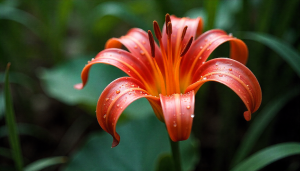
Coneflower Seeds: Easy Guide to Bold Flowers
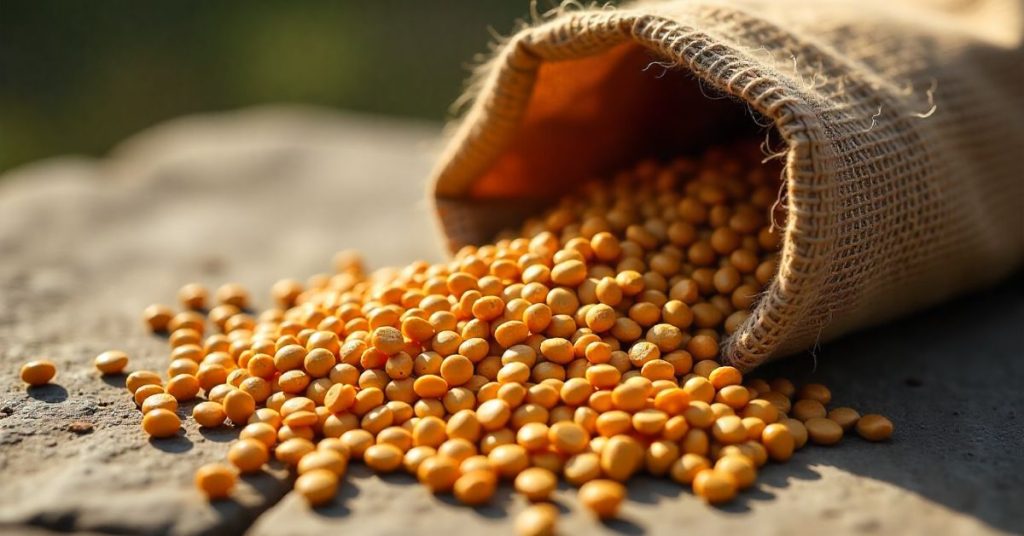
Coneflower seeds are small, dry seeds that grow into strong flowering plants with bright petals and raised centers. These seeds come from mature coneflower plants after the blooming season ends. When planted in the right soil and sunlight, they grow into healthy plants that return every year.
Many gardeners choose coneflowers because they are easy to grow and hard to damage. They survive heat, cold, and light drought without much care. Their bold colors also attract butterflies and bees, which makes any garden feel alive and natural.
These flowers grow well in home gardens, pots, and open spaces. They bloom during warm months and need only basic care to stay healthy. With proper planting and simple maintenance, gardeners can enjoy long-lasting beauty from these seeds year after year.
What Are Coneflowers and Why Gardeners Love Them
Coneflowers are flowering plants known for their raised centers and bright petals. They belong to the daisy family and grow well in home gardens and open spaces.
Many gardeners choose them because they handle heat and cold easily. They also need little care once they start growing, which makes them perfect for beginners.
Different Types of Coneflower Plants
Some coneflowers grow tall, while others stay short and compact. Colors range from purple and pink to yellow and orange. Each type adds a different look to the garden.
Plant size and bloom shape change based on the variety. Choosing the right type helps gardeners match plants with their available space and climate.
Understanding and Their Natural Growth Cycle
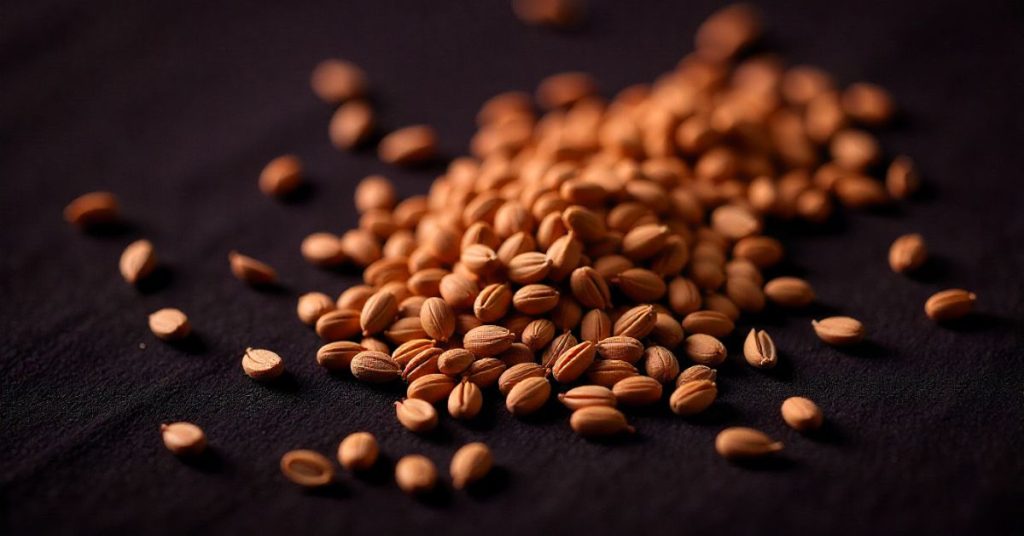
Coneflower seeds come from dried flower heads after blooming ends. These seeds stay dormant until they receive the right moisture and temperature.
Nature spreads them through wind and birds. Gardeners can also collect and store them to grow plants the next season with ease.
Best Time of Year to Plant for Strong Growth
Spring offers warm soil and steady sunlight, which helps young plants grow fast. Early planting gives roots more time to develop.
Fall planting also works well in mild climates. Cool weather helps seeds rest before sprouting naturally in spring.
Soil Conditions That Help Healthy Plants Grow
Loose soil allows roots to spread freely. Good drainage prevents water from staying around roots and causing rot.
Adding compost improves soil quality and supports early growth. Healthy soil builds strong plants that bloom longer.
Sunlight Needs and Proper Spacing Tips
Coneflowers grow best in full sunlight. At least six hours of sun each day keeps flowers bright and strong.
Spacing plants correctly improves airflow. Good airflow reduces disease and helps plants grow evenly without stress.
Step-by-Step Guide to Planting Coneflower Seeds
Start by preparing the soil and removing weeds. Spread seeds lightly on the surface and press them gently into the soil.
Water the area softly to avoid washing seeds away. Keep soil slightly moist until small sprouts appear.
Watering Schedule for Plants
Young plants need regular watering to build roots. Light watering every few days works well during early growth.
Once plants mature, they handle dry weather better. Water deeply but less often to support long-term health.
Common Problems and Easy Solutions
Pests like aphids sometimes appear on leaves. Washing plants with water removes them without chemicals.
Overwatering causes weak roots. Let soil dry slightly between watering to keep plants strong and balanced.
How Long It Takes for Coneflowers to Bloom
Most coneflowers bloom in their second year. During the first year, plants focus on root growth.
Once blooming starts, flowers continue through summer. Regular care helps extend the blooming season naturally.
Care for Healthy Coneflower Plants
Cutting old blooms encourages new flowers to grow. This practice also keeps plants neat and attractive.
Leaving some flowers uncut allows seeds to form. Birds enjoy these seeds during colder months.
Harvesting Coneflower Seeds
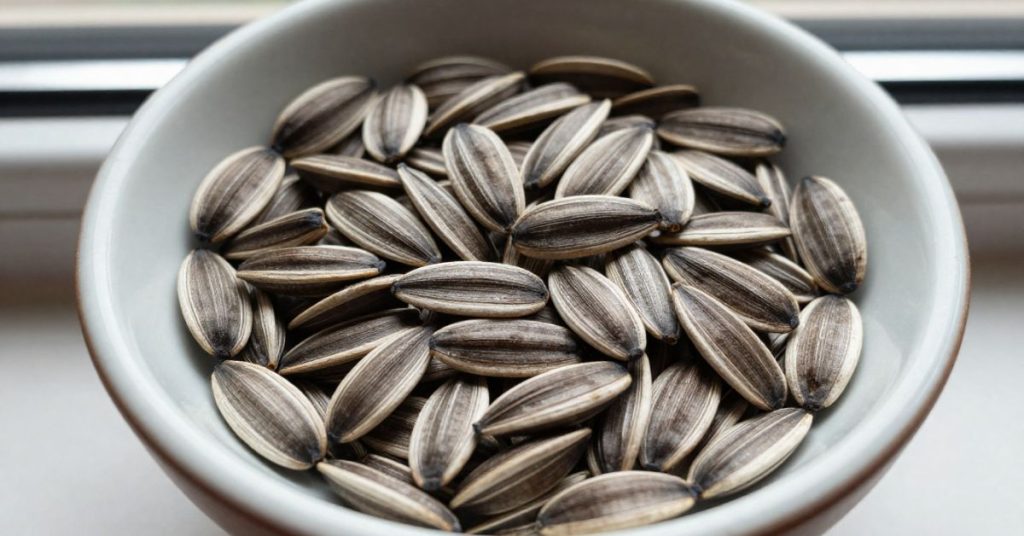
Wait until flower heads dry fully on the plant. Dry heads show dark centers and firm seed shapes.
Cut heads carefully and store them in a dry place. Proper drying prevents mold and damage.
Storing Seeds for Future Planting
Use paper envelopes or glass jars for storage. Keep them in a cool and dry location.
Label containers with dates. Fresh seeds grow better and give stronger plants.
Complete Growing Information at a Glance
| Growing Factor | Ideal Condition | Helpful Notes |
| Soil Type | Loose and well-drained | Prevents root damage |
| Sunlight | Full sun | At least 6 hours daily |
| Water Needs | Moderate | Avoid waterlogging |
| Planting Season | Spring or Fall | Depends on climate |
| Bloom Time | Summer | Blooms last weeks |
| Height Range | 2–5 feet | Varies by variety |
| Wildlife Attraction | Butterflies & birds | Supports nature |
| Maintenance Level | Low | Easy for beginners |
| Seed Harvest Time | Late summer | Heads must be dry |
Can Coneflowers Grow in Pots or Containers
Containers work well for small varieties. Choose pots with drainage holes to protect roots.Place containers in sunny areas. Regular watering keeps soil healthy in limited space.
Benefits of Growing Coneflowers at Home
These flowers support bees and butterflies. Pollinators improve the health of nearby plants.Coneflowers also improve garden appearance. Their bold colors create a cheerful outdoor space.
Mistakes Beginners Should Avoid
Planting too deep prevents seeds from sprouting. Light surface planting works best.Ignoring sunlight reduces blooms. Always place plants where the sun reaches them daily.
How Coneflowers Survive Winter Naturally
Coneflowers rest during winter. Their roots stay alive under soil while leaves fade.Adding mulch protects roots from freezing. Plants return stronger when spring arrives.
Final Thoughts
Growing coneflowers feels rewarding and simple. These plants forgive small mistakes and still grow well.With proper care, gardeners enjoy bright blooms year after year. Coneflower seeds offer an easy way to build a colorful garden.
FAQs
1. How long do coneflower seeds take to germinate?
They usually sprout within 10 to 20 days when soil stays warm and slightly moist.
2. Do coneflower seeds need sunlight to grow?
Yes, light helps them grow better, so do not cover them with thick soil.
3. Can I plant coneflowers directly in the ground?
Yes, direct planting works well, especially in spring or early fall.
4. Are coneflowers easy for beginners to grow?
Yes, they need little care and still grow strong, which makes them beginner-friendly.
5. Will coneflowers come back every year?
Most coneflower plants grow back each year once they become established.