Tall Lily Plant Guide for Growing and Care
Introduction
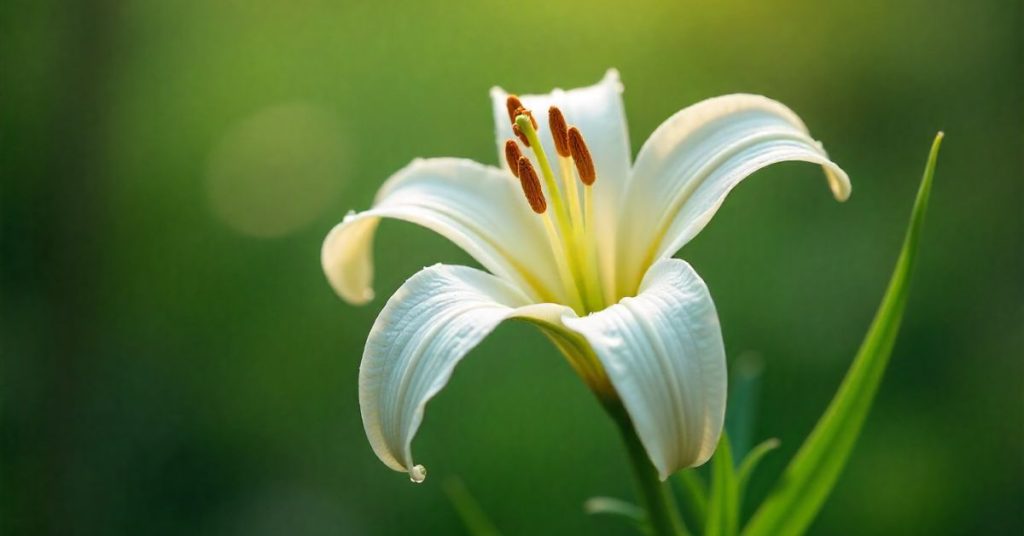
The tall lily plant is a flowering plant known for its long stems and large blooms. It adds beauty to gardens and open spaces with very little effort. Many people love it because it grows upright and looks graceful.
This plant suits beginners as well as experienced gardeners. It grows well in many climates and does not need complex care. Because of its height and colors, it often becomes the center of attention.
Origin and Natural Background
Lilies have a long history and grow naturally in different parts of the world. Most varieties came from Asia, Europe, and North America. Over time, gardeners improved them for beauty and strength.
These plants adapted well to different soils and weather. Today, they grow in home gardens, parks, and flower farms. Their natural strength helps them survive many conditions.
Physical Appearance and Growth Habit
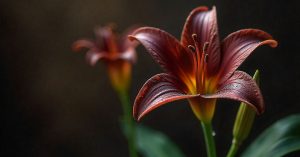
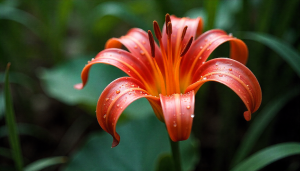
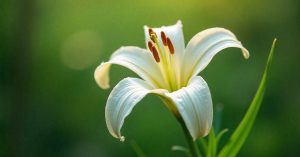
This plant grows tall with strong green stems. The leaves look long and smooth, growing along the stem in a neat pattern. The flowers appear at the top and open wide.
Blooms come in many colors such as white, pink, yellow, and orange. Each flower gives a soft fragrance that attracts butterflies and bees. The height makes the plant look elegant.
Popular Varieties Grown Worldwide
Many types exist, each with unique colors and shapes. Some grow taller while others bloom earlier. Gardeners choose them based on space and climate.
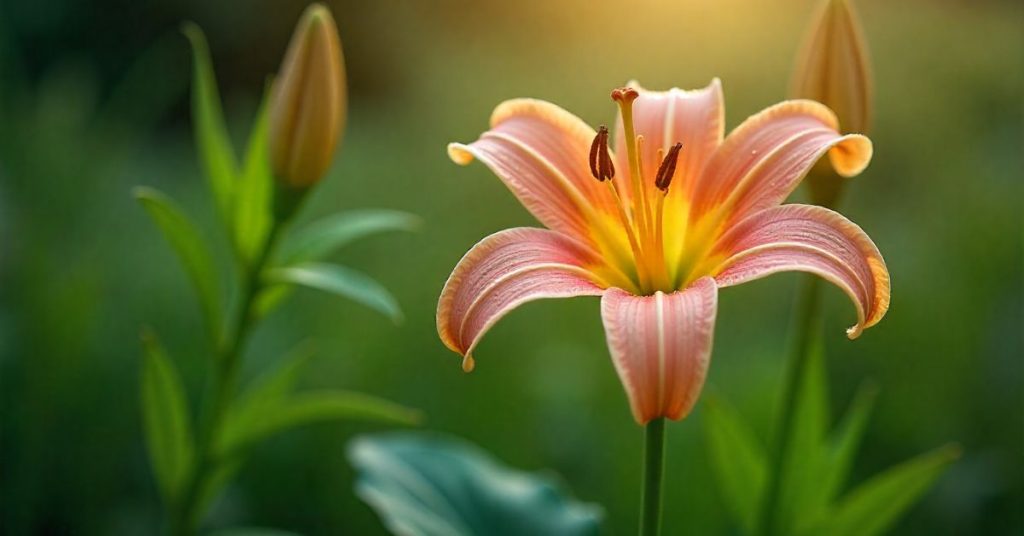
Hybrid varieties offer stronger stems and longer bloom time. These types work well in home gardens and landscapes. Choosing the right type helps achieve better results.
Best Climate and Temperature Conditions
This plant prefers mild to warm temperatures. It grows best in places where summers stay warm and winters remain gentle. Extreme cold can damage the bulbs.
Moderate humidity supports healthy growth. Strong winds may bend stems, so sheltered areas work better. Proper climate improves flower size and color.
Soil Requirements for Healthy Growth
Loose and well-drained soil helps roots grow freely. Rich soil with natural compost improves plant strength. Heavy clay soil may cause root problems.
A slightly acidic to neutral soil works best. Good drainage prevents water buildup. Healthy soil supports long-lasting blooms.
Sunlight Needs and Placement
This plant loves sunlight and grows best in bright areas. At least six hours of direct sun daily helps flowers bloom fully. Partial shade may reduce flowering.
Morning sunlight gives better results than harsh afternoon heat. Proper placement protects leaves and petals. Sunlight plays a major role in growth.
Watering Schedule and Moisture Control
Regular watering keeps the soil slightly moist. Overwatering can damage roots, so balance remains important. Water deeply but not too often.
During dry seasons, extra watering helps maintain strength. Mulching helps keep moisture stable. Good water habits protect plant health.
Planting Method Step by Step
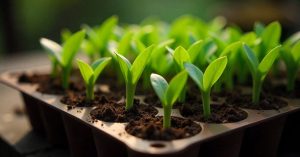
Plant bulbs in early spring or fall. Dig holes deep enough to cover the bulb completely. Place the bulb with the pointed side facing upward.
Cover gently with soil and water lightly. Leave enough space between bulbs for air flow. Proper planting improves growth speed.
Fertilizer and Nutrient Support
Organic fertilizer supports steady growth. Feeding the plant during early growth improves stem strength. Too much fertilizer may harm roots.
Balanced nutrients help maintain leaf color and flower size. Natural compost works well. Proper feeding keeps plants healthy.
Seasonal Growth Cycle
The plant starts growing in spring and blooms in summer. Flowers stay fresh for several weeks. After blooming, leaves continue feeding the bulb.
During autumn, growth slows down. In winter, the bulb rests underground. This cycle helps the plant return stronger next season.
Common Pests and Diseases
Aphids and beetles sometimes attack leaves. Early detection helps control damage. Natural sprays work well against pests.
Fungal issues appear when soil stays wet. Good air flow reduces disease risk. Healthy care habits prevent most problems.
Pruning and Maintenance Tips
Remove faded flowers to save energy. Cut stems only after leaves turn yellow. Early cutting may weaken the bulb.
Cleaning dead leaves improves appearance. Simple maintenance keeps the garden neat. Regular care increases bloom quality.
Indoor vs Outdoor Growing
Outdoor growing allows full height and strong blooms. Open space supports natural growth. Gardens provide better sunlight.
Indoor growing works in large pots near windows. However, height may reduce. Outdoor planting gives better results overall.
Uses in Garden Design
This plant works well as a background feature. It pairs nicely with short flowering plants. Gardeners use it to create depth.
It also suits borders and pathways. Its height adds balance to landscapes. Designers love its graceful look.
Symbolism and Cultural Meaning
Lilies often represent purity and peace. Different colors hold different meanings. Many cultures use them in celebrations.
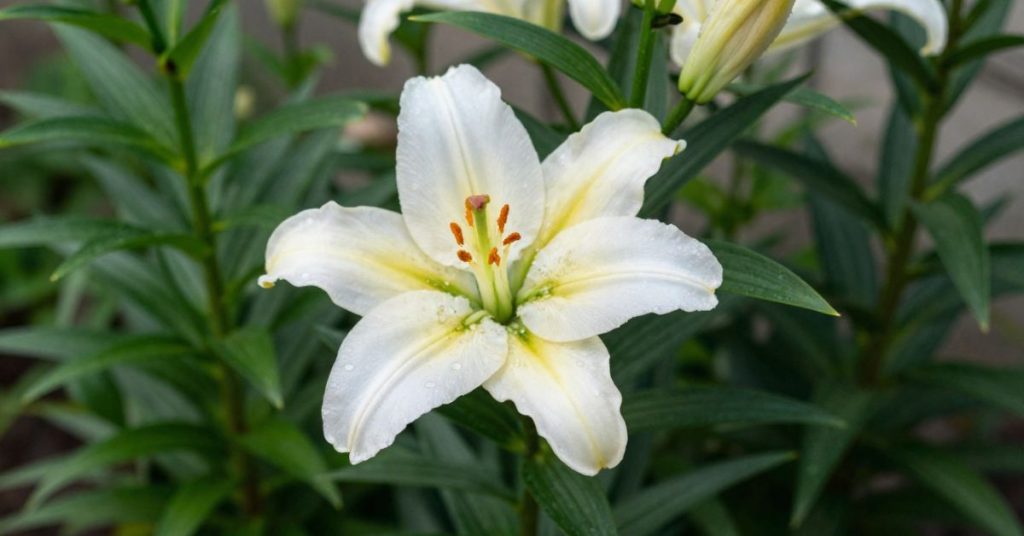
They appear in art and traditions. Their beauty makes them special. People value them for emotional reasons.
Benefits of Growing This Plant
The tall lily plant improves garden beauty. It attracts helpful insects like bees. Natural fragrance enhances outdoor spaces.It also increases property appeal. Easy care saves time. Many gardeners prefer it for these reasons.
Long Care and Longevity
With proper care, the plant lives for many years. Bulbs multiply underground over time. Each year brings more flowers.Dividing bulbs every few years helps growth. Long care rewards patience. Strong plants bloom better.
Growth Comparison Table
The table below explains key growth details clearly.
| Feature | Details |
| Average Height | 3 to 6 feet |
| Bloom Season | Summer |
| Flower Colors | White, pink, yellow, orange |
| Soil Type | Loose, well-drained |
| Sunlight | Full sun |
| Water Needs | Moderate |
| Growth Speed | Medium |
| Lifespan | Many years |
| Suitable Areas | Gardens, borders |
| Maintenance Level | Low |
This table helps beginners understand care quickly. It also supports planning and placement.
Safety and Pet Considerations
Some lilies can harm pets if eaten. Cats face higher risk than dogs. Gardeners should plant carefully.
Placing plants away from pets helps avoid danger. Awareness ensures safety. Responsible planting matters.
Common Mistakes to Avoid
Overwatering remains a common mistake. Poor drainage leads to root rot. Correct watering solves most issues.
Planting in deep shade reduces flowers. Choosing the right location matters. Small changes improve results.
Interesting Facts
Some lilies grow taller each year. Their bulbs store energy underground. Flowers open slowly over days.They last longer when grown naturally. Weather affects bloom size. Each plant feels unique.
Final Thoughts
The tall lily plant offers beauty, height, and elegance to any space. Its simple care makes it perfect for beginners. Strong stems and bright blooms create visual impact.
With the right soil, sunlight, and water, it thrives easily. This plant rewards patience and care. Growing it brings joy every season.
FAQs
- What is a tall lily plant?
A tall lily plant is a flowering plant with long stems and large blooms, often grown for garden beauty. - How tall does a tall lily plant grow?
Most tall lily plant varieties grow between 3 to 6 feet, depending on type and care. - Where does a tall lily plant grow best?
A tall lily plant grows well in full sun or light shade with well-drained soil. - How do you care for a tall lily plant?
Water regularly, provide support, and use rich soil to keep a tall lily plant healthy. - When does a tall lily plant bloom?
A tall lily plant usually blooms in late spring or summer with colorful, fragrant flowers.