Cobra Lily Plant: A Rare Carnivorous Wonder

Introduction
The cobra lily plant is a rare carnivorous plant found in cool, wet places. It gets its name from its shape, which looks like a rising cobra. This plant eats insects to get nutrients. It grows in soil that lacks food.
This plant attracts attention because it hunts in a unique way. Its curved leaf confuses insects and traps them inside. Many people are amazed by how it survives in harsh areas. It feels like a living mystery of nature.
The cobra lily plant needs special care to grow well. It prefers cold water and fresh air. Gardeners find it challenging but exciting to grow. This makes the plant even more special and rare.
Natural Habitat and Native Regions
This plant grows naturally in cold and wet areas. It usually appears near mountain streams where clean water flows continuously. The soil stays moist but never stagnant.
Most wild populations exist in parts of North America. These regions provide cool temperatures, high humidity, and mineral-poor ground. Such conditions help this species grow strong and healthy.
Physical Appearance and Growth Pattern
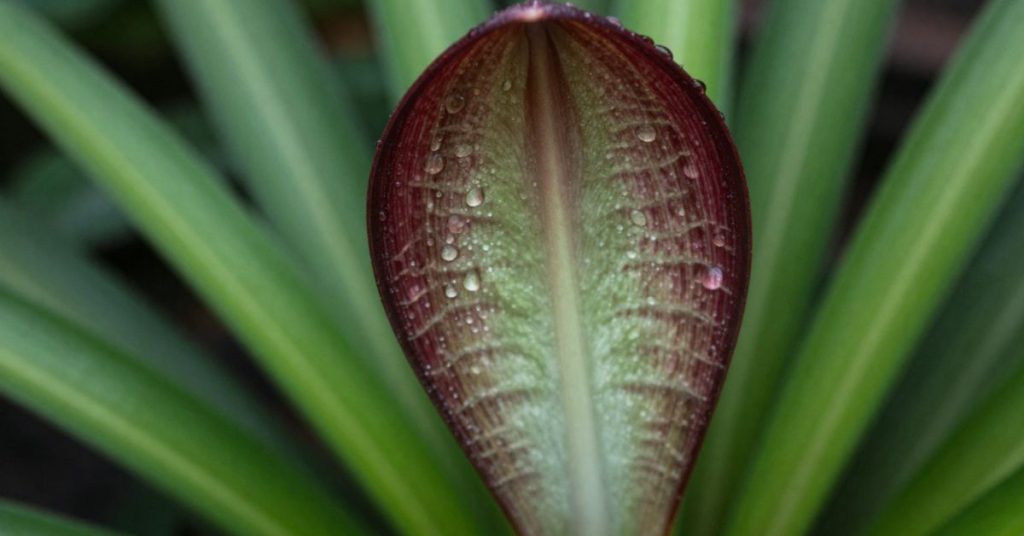
The plant shows a tall tube-shaped leaf that bends forward. The top forms a hood, while small openings guide insects inside. Its colors range from green to deep red depending on sunlight.
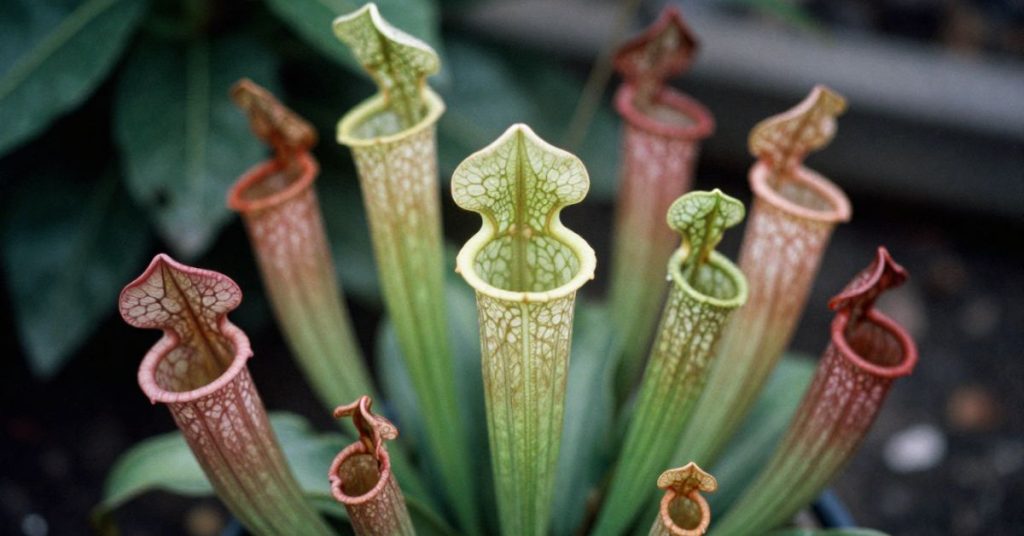
Growth happens slowly but steadily. Each new leaf rises from the base and reaches upward. Over time, the plant forms a cluster that looks dramatic and eye-catching.
How This Plant Traps Insects
Instead of snapping shut, this species uses confusion to trap prey. Light enters through small clear patches on the leaf. Insects follow the light and move deeper inside.
Once trapped, escape becomes difficult. Tiny hairs and slippery walls force insects downward. The plant then absorbs nutrients from the captured prey to support its growth.
Soil Requirements and Water Conditions
Proper soil plays a major role in healthy development. This species prefers loose and airy growing material. Gardeners often use a mix that drains well and stays cool.
Water quality matters greatly. The plant needs pure water without minerals. Rainwater or distilled water works best and keeps roots safe from damage.
Sunlight and Temperature Needs
Bright light helps the plant maintain strong color and structure. However, direct heat harms it easily. Morning sun and afternoon shade work best.
Cool temperatures support long-term health. The plant thrives when nights stay cold and days remain mild. Excessive heat causes stress and slows growth.
Seasonal Dormancy and Life Cycle
During winter, the plant enters a rest phase. Leaves may turn brown and stop growing. This stage helps conserve energy for the next season.
As spring arrives, fresh growth appears from the base. New leaves form stronger traps and prepare for insect capture. This cycle repeats every year.
Common Problems and How to Fix Them
Root rot often occurs due to poor drainage. Using the right soil mix prevents this issue easily. Clean water also protects roots from decay.
Slow growth may result from warm temperatures or mineral buildup. Moving the plant to a cooler place and flushing soil improves health over time.
Indoor vs Outdoor Growing Differences
Indoor growing allows better control of water and soil. Many growers place the plant near a bright window with cool airflow. This setup protects it from extreme weather.
Outdoor growing suits areas with natural cold streams and mild summers. When planted outside, the plant often grows stronger and captures more insects naturally.
Propagation Methods Explained Simply
Division works as the easiest method. Mature plants form underground stems that separate naturally. Growers gently divide them during dormancy.
Seed propagation takes more time and patience. Seeds need cold treatment before sprouting. While slow, this method helps preserve genetic diversity.
Why This Plant Attracts Gardeners
Collectors admire its rare structure and behavior. The unusual trapping system makes it different from other carnivorous plants.
Educational value also plays a role. Students learn about adaptation, evolution, and survival strategies by observing this plant closely.
Environmental Importance and Conservation
Wild populations face threats due to habitat loss. Clean water sources disappear because of pollution and land development.
Protecting natural environments ensures survival. Growing this plant responsibly reduces pressure on wild colonies and supports conservation efforts.
Myths and Facts About This Species
Some believe it eats large insects aggressively. In reality, it traps small flies and ants only. Its method depends on confusion rather than force.
Another myth suggests it grows easily anywhere. Truthfully, it requires specific care and patience. Understanding its needs prevents disappointment.
Final Thoughts
The cobra lily plant stands as a true example of nature’s creativity. It survives using intelligence rather than strength. With proper care, it rewards growers with beauty and fascination.
Learning its needs builds respect for delicate ecosystems. When grown responsibly, the cobra lily plant becomes both a visual treasure and a living lesson.
FAQs
- What is a cobra lily plant?
The cobra lily plant is a rare carnivorous plant that traps insects to gain nutrients in poor soil. - Where does the cobra lily plant grow naturally?
The cobra lily plant grows in cool, wet areas, mainly in parts of North America. - How does a cobra lily plant catch insects?
The cobra lily plant uses a curved leaf that confuses insects and guides them into a trap. - Is the cobra lily plant hard to grow at home?
Yes, the cobra lily plant needs cool roots, clean water, and fresh air to stay healthy. - Why is the cobra lily plant considered rare?
The cobra lily plant is rare because it grows in limited locations and needs special conditions to survive.