Tea Plant Seeds: Easy Growing Guide

Introduction
Tea plant seeds come from the Camellia sinensis plant. This plant is the main source of green, black, and white tea. The seeds are small, round, and hard in texture. When planted correctly, they grow into evergreen shrubs. These shrubs produce fresh leaves used for making tea.
Growing tea at home feels exciting and rewarding. Many people love the idea of harvesting their own tea leaves. Watching seeds turn into healthy plants builds curiosity and patience. This process also connects you with nature. Even beginners can enjoy this journey with simple care.
Tea plant seeds need warmth, moisture, and well-drained soil. They grow best in partial sunlight. Germination takes time, so consistency matters. With basic attention, the plant grows strong and healthy. Over time, it becomes a long-lasting and useful garden addition.
What Are Tea Plant Seeds
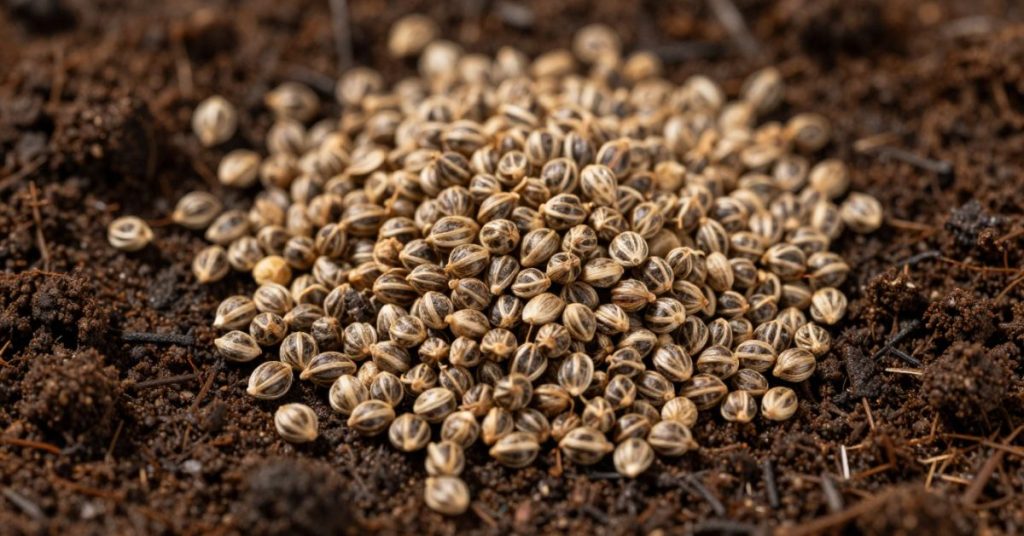
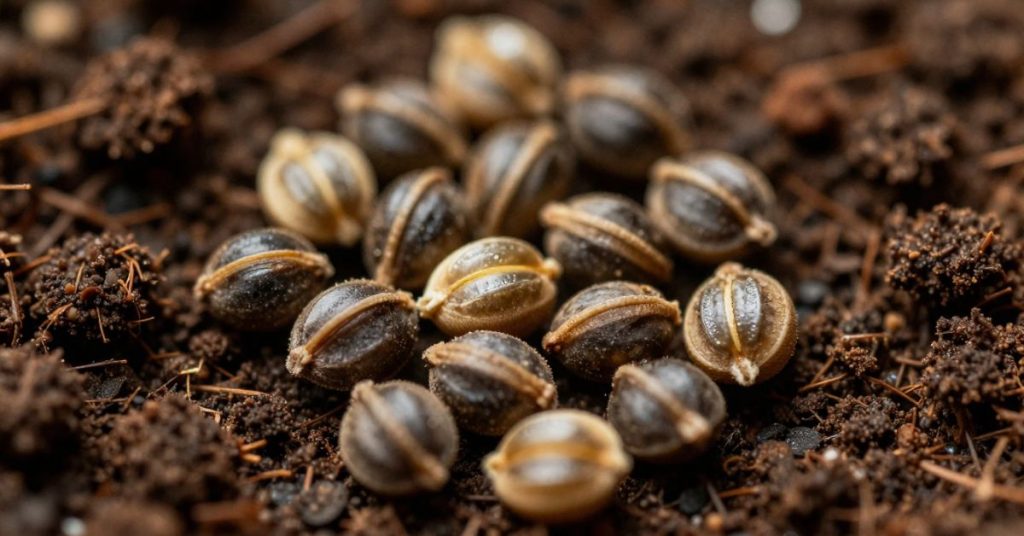
Tea plant seeds come from the fruit of the Camellia sinensis shrub. These seeds carry the full potential of a future tea plant. They look round, hard, and dark brown in color.
Gardeners use them to grow new plants from scratch. This method gives full control over growth conditions. It also allows people to understand the plant from its earliest stage.
Origin and Natural Growth Areas
Tea plants originally grew in parts of Asia with mild weather. These areas had regular rainfall and rich soil. Over time, people spread the plant to other regions.
Today, many countries grow tea successfully. The plant adapts well when conditions remain stable. Warm days and cool nights support healthy development.
Climate Requirements for Healthy Growth
The tea plant grows best in warm and humid weather. It prefers temperatures that stay moderate throughout the year. Frost harms young plants and slows growth.
Rainfall plays an important role in leaf development. Regular moisture keeps the soil active. Dry conditions reduce leaf quality and plant strength.
Soil Type and Preparation
Loose soil with good drainage supports strong roots. Slightly acidic soil helps the plant absorb nutrients easily. Heavy soil blocks water movement and damages roots.
Before planting, gardeners should remove stones and weeds. Mixing organic matter improves texture. This preparation helps roots spread freely.
Seed Selection and Quality Check
Good seeds feel heavy and firm when touched. Light or cracked seeds often fail to grow. Fresh seeds give better results than old stock.Soaking seeds in water helps test quality. Seeds that sink usually remain healthy. This step increases germination success.
Germination Process Explained
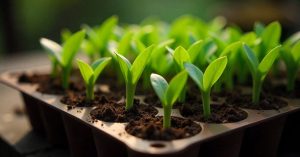
Germination starts when seeds absorb moisture. This process takes patience and care. Sprouts appear slowly over several weeks.Warmth speeds up early growth. Covering soil helps keep moisture steady. Consistent care supports healthy sprouting.
Planting Depth and Spacing
Seeds need shallow planting to sprout easily. Deep placement delays growth. Light soil covering works best.Spacing allows airflow and sunlight. Crowded plants compete for nutrients. Proper gaps improve long-term health.
Watering Schedule and Moisture Control
Regular watering keeps soil moist but not wet. Overwatering causes root damage. Dry soil stops growth.
Morning watering works best. It allows extra moisture to dry during the day. This habit prevents disease.
Sunlight Needs and Shade Balance
Young plants prefer partial shade. Strong sunlight stresses early growth. Gentle light encourages steady development.
As plants mature, they tolerate more sun. Balanced exposure improves leaf strength. Shade cloth helps in hot regions.
Growth Timeline and Development Stages
Early growth stays slow during the first year. Roots develop before leaves expand. This stage builds strength.Later years show faster leaf production. With care, plants become productive shrubs. Patience rewards gardeners.
Common Problems and Easy Solutions
Pests attack weak plants first. Healthy care reduces damage. Natural sprays help control insects.
Yellow leaves often show nutrient issues. Soil testing helps identify problems. Simple fixes restore balance.
Long-Term Care and Maintenance
Regular pruning keeps plants compact. It also improves leaf quality. Clean tools prevent disease spread.
Mulching protects roots from heat. It also holds moisture longer. These steps extend plant life.
Harvesting Leaves the Right Way
Harvesting begins after a few years. Only young leaves give good flavor. Gentle picking protects branches.Regular harvesting encourages new growth. Overpicking weakens the plant. Balanced care maintains production.
Uses and Benefits of Tea Leaves
Tea leaves support calmness and focus. Many cultures value them for daily use. The drink also contains antioxidants.
Homegrown leaves feel more rewarding. Fresh harvesting improves taste. Personal gardens offer control and quality.
Storage and Drying Tips
Drying removes excess moisture from leaves. Proper airflow prevents mold. Gentle heat preserves flavor.
Stored leaves need airtight containers. Cool places keep freshness longer. Clean storage improves shelf life.
Beginner Mistakes to Avoid
Many beginners expect fast results. This plant grows slowly. Rushing causes stress and failure.Ignoring soil quality creates problems later. Good preparation saves effort. Early care decides success.
Indoor Growing Possibilities
Indoor growing works in controlled spaces. Pots need drainage holes. Windows provide natural light.Temperature control matters indoors. Stable warmth helps growth. Indoor care suits cold regions.
Outdoor Garden Planning
Outdoor planting needs weather awareness. Wind protection helps young plants. Fencing reduces damage.
Raised beds improve drainage. They also warm soil faster. Planning supports healthy roots.
Organic Care Methods
Organic compost feeds soil naturally. It improves structure and nutrition. Chemical use becomes unnecessary.
Natural pest control keeps balance. Healthy soil resists disease. Organic care supports long life.
Cost and Time Investment
Initial cost stays low. Seeds cost less than plants. Time remains the main investment.
Long-term rewards outweigh effort. Home-grown tea reduces buying needs. Patience brings value.
Educational Value for Students
This plant teaches patience and responsibility. Children learn plant life cycles easily. Care routines build discipline.
School projects benefit from this plant. Observation improves learning. Nature study becomes practical.
Sustainability and Environmental Impact
Tea plants support green spaces. They improve air quality. Long life reduces waste.Growing at home cuts packaging use. Sustainable habits form naturally. Small steps help the planet.
Final Thoughts
Growing tea from seed offers learning and reward. The process builds patience and care skills. Simple steps lead to success.
With proper attention, tea plant seeds grow into valuable shrubs. The journey stays slow but meaningful. Every stage adds knowledge.
FAQs
- What are tea plant seeds?
Tea plant seeds come from the tea shrub and grow into plants that produce fresh tea leaves. - How long do tea plant seeds take to germinate?
Tea plant seeds usually germinate in a few weeks, but some may take longer with slow growth. - Can tea plant seeds grow at home?
Yes, tea plant seeds can grow at home with proper soil, warmth, and regular care. - Do tea plant seeds need sunlight?
Tea plant seeds grow best in partial sunlight, especially during early stages. - Are tea plant seeds easy for beginners?
Tea plant seeds suit beginners because they need basic care and steady patience.