Best Tips for Planting Sensitive Plant Seeds

Introduction
Planting sensitive plant seeds is a fun and rewarding experience, especially for beginners. These seeds grow into a unique plant that reacts to touch, which makes it very interesting to watch. To get the best results, always start with fresh seeds and soak them in water for a few hours before planting. This helps soften the seed coat and improves germination. Choose a warm place with indirect sunlight, as sensitive plants love gentle light and warmth.
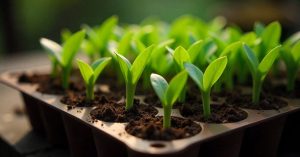
Soil quality plays an important role in healthy growth. Use light, well-drained soil so water does not stay trapped around the roots. Plant the seeds just below the soil surface and keep the soil slightly moist, not wet. Overwatering can stop the seeds from growing properly. Water gently and regularly, especially during the early days, to support strong sprouting.
Once the seedlings appear, proper care becomes very important. Place the plant in a bright spot where it gets enough light without direct sun for long hours. Maintain warm temperatures and avoid cold air. With patience and simple care, sensitive plant seeds grow into healthy plants that add beauty and curiosity to any home garden.
What Makes the Sensitive Plant Special
This plant reacts quickly to touch, heat, and light changes. Its folding leaves protect it from harm and reduce water loss. Because of this behavior, many people call it a “living plant.”
Besides movement, the plant also produces small pink flowers. These flowers add beauty and attract attention. The plant remains popular in schools and home gardens for learning purposes.
Understanding Sensitive Plant Seeds
Sensitive plant seeds are small, hard, and round in shape. They need proper preparation before planting to support faster germination. Many beginners fail because they skip this step.These seeds come from mature pods that dry on the plant. Once collected, they can stay usable for months if stored properly. Good storage keeps them ready for future planting.
Natural Habitat and Growth Conditions
This plant grows naturally in tropical and warm climates. It prefers sunlight and moist soil. Poor light can slow its growth and reduce leaf movement.
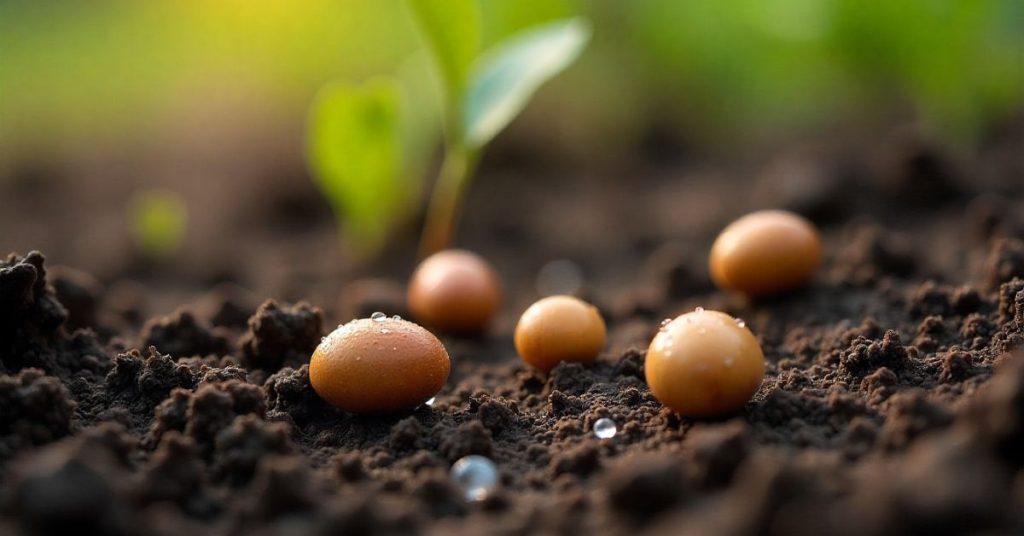
Warm temperatures help the plant stay active. Cold weather weakens it quickly. That is why indoor growing works well in cooler regions.
Best Time to Plant
Spring and early summer are ideal planting seasons. During this time, warmth supports quick sprouting. Cold seasons slow down seed activity.Planting during the right season reduces effort. It also increases the chance of strong and healthy plants.
Soil Preparation for Healthy Growth
Loose and well-drained soil works best. Heavy soil blocks air and water movement. This causes weak roots and slow development.Mix garden soil with sand and compost. This blend supports airflow and holds moisture without flooding the roots.
How to Prepare Seeds Before Planting
Soaking seeds in warm water for 24 hours softens their outer layer. This step helps water reach the inner part easily. Skipping soaking delays sprouting.After soaking, the seeds swell slightly. This change shows they are ready for planting. Proper preparation saves time and effort.
Step-by-Step Planting Method
Plant seeds just below the soil surface. Cover them lightly without pressing hard. Gentle covering allows easy sprouting.Water the soil lightly after planting. Keep it moist but never soaked. Overwatering causes rotting and poor results.
Watering Needs Explained
Regular watering keeps the soil moist. Dry soil stops growth and weakens the plant. However, excess water damages roots.
Check soil moisture with your finger. If the top layer feels dry, water gently. This simple habit keeps plants healthy.
Light Requirements for Strong Plants
Bright sunlight supports active leaf movement. The plant grows best with direct or partial sunlight. Low light causes dull leaves.Indoor growers should place pots near windows. Outdoor growers should choose sunny spots for better results.
Temperature and Climate Care
Warm temperatures help the plant stay responsive. Ideal temperature ranges between 20°C to 30°C. Cold air slows leaf movement.Protect plants from frost and cold winds. Indoor protection helps in winter seasons and cold regions.
Growth Guide and Care Details
| Growth Stage | Required Action | Light Level | Water Amount | Common Mistake |
| Seed stage | Soak before planting | Bright indirect | Light moisture | Skipping soaking |
| Sprouting | Keep soil warm | Partial sunlight | Moderate | Overwatering |
| Early growth | Support roots | Full sunlight | Regular | Poor drainage |
| Leaf stage | Maintain warmth | Direct sunlight | Balanced | Low light |
| Flowering | Reduce stress | Bright sunlight | Controlled | Excess fertilizer |
Fertilizer Use and Timing
Light fertilizer supports healthy leaves and flowers. Use organic compost or mild liquid feed. Strong chemicals damage roots.
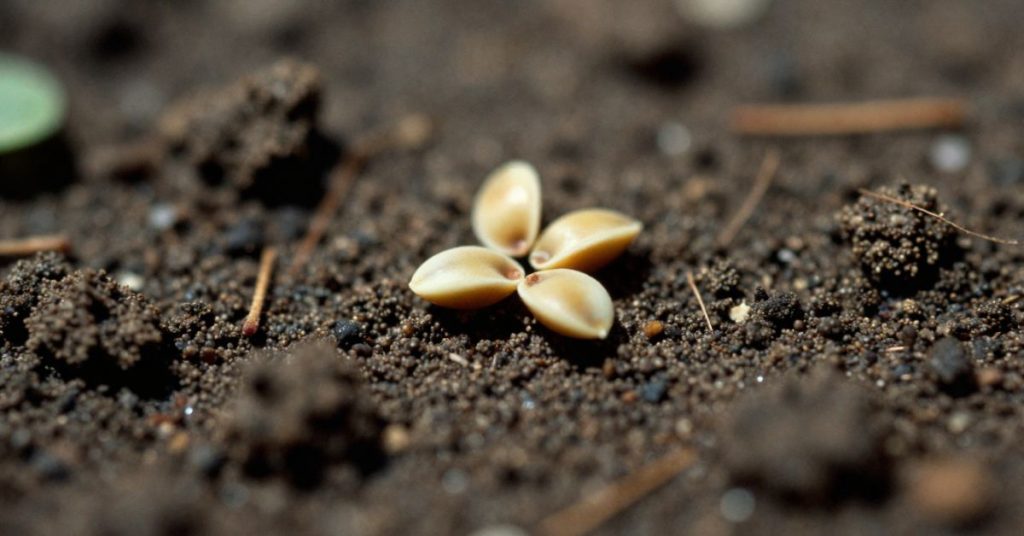
Apply fertilizer once a month. Overfeeding causes leaf burn and weak movement.
Common Problems and Solutions
Yellow leaves show watering problems. Adjust moisture levels quickly to prevent damage. Always check soil condition first.Slow movement indicates low light or cold temperature. Fixing these issues improves plant activity naturally.
Pest Protection Tips
Small insects may attack leaves. Regular inspection helps early control. Mild soap spray removes pests safely.
Avoid strong chemicals. Natural solutions protect the plant and the soil.
Indoor vs Outdoor Growing
Indoor growing offers climate control. It protects plants from harsh weather and pests. This method suits colder areas.
Outdoor growing provides natural sunlight. However, it needs careful protection from heavy rain and cold winds.
Harvesting and Storing Seeds
Wait until seed pods dry completely. Collect them gently to avoid damage. Proper timing ensures good quality.Store seeds in dry containers. Cool and dark places extend usability for future planting.
Long-Term Care and Maintenance
Regular trimming keeps the plant neat. Remove dry leaves to support new growth. Clean plants stay healthier.
Proper care helps plants live longer. Healthy plants also produce better flowers and seeds.
Why Gardeners Love This Plant
Its touch response creates excitement. Few plants show such movement. This feature makes it special in gardens.Low maintenance also adds value. Beginners enjoy success with minimal effort.
Final Thoughts on Growing Success
Growing sensitive plant seeds becomes easy with proper steps. Preparation, care, and patience bring great results. Simple habits make a big difference.
With the right environment, anyone can enjoy this plant. Its beauty and movement reward every grower with joy and learning.