Red Hosta Plant Guide for Shady Spaces
Introduction
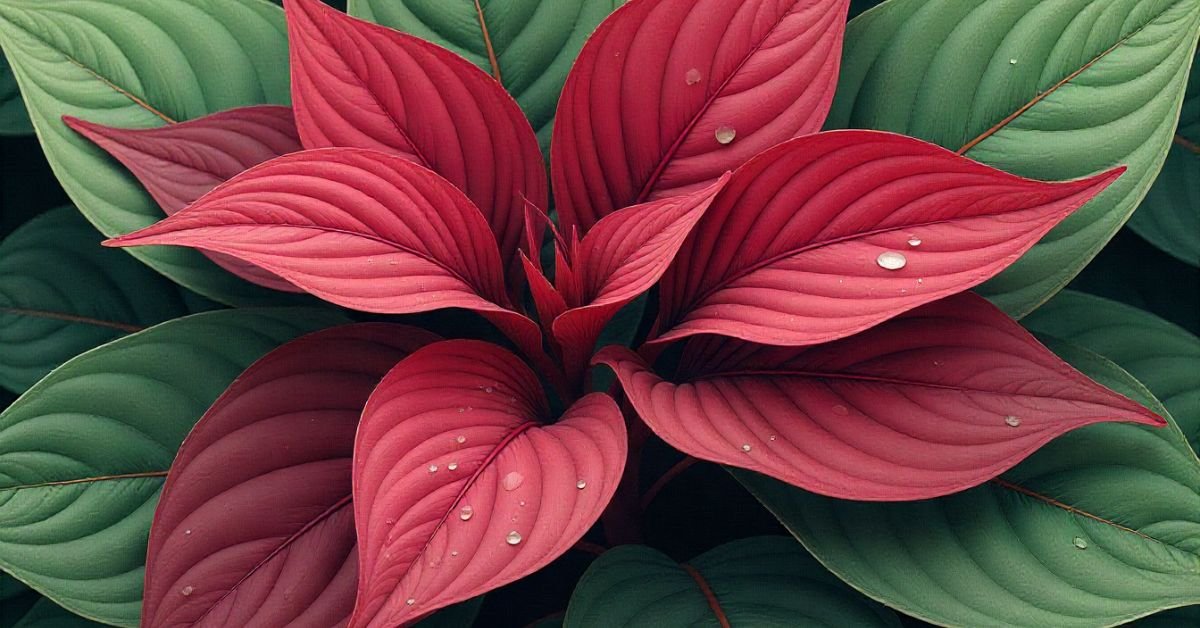
e red hosta plant is a unique foliage plant known for its bold leaves and striking red stems. It grows well in shaded areas and adds rich color to garden corners. This plant stays low-maintenance and thrives in cool, moist soil.
If you want a plant that makes your shade garden look vibrant, this one is a perfect choice. Its bold appearance instantly catches attention. Garden lovers admire it because it brings life to spots where most plants struggle.
This plant prefers partial to full shade and grows best with regular watering. It also responds well to rich, well-drained soil. With simple care steps, it stays healthy and colorful throughout the season.
What Makes This Plant Unique
This plant carries a mix of rich tones that add texture. Its stems hold soft leaves that spread in neat layers. The shape stays tidy, and the color stays strong throughout the season.
Gardeners enjoy it because it fits small places and large beds. It adapts well and handles gentle care. These traits make it a smart pick for beginners.
Best Growing Conditions
This plant feels comfortable in cool, moist soil. It prefers places where strong sunlight does not reach. Soft shade keeps the leaves healthy and bright.When the soil stays loose and rich, the roots spread with ease. Clear drainage protects it from damage and helps the plant stay stable.
Ideal Locations in Your Yard
Place it along fences, near trees, or beside calm paths. Its soft leaves match well with ferns and other shade-friendly plants. These spots help it hold color and shape.

When you spread a few groups together, the area looks full and striking. This trick helps create a natural design without much effort.
Care Requirements
| Care Feature | Best Condition | Why It Helps | Notes for Beginners |
| Light | Partial to full shade | Protects leaves from burn | Avoid afternoon sun |
| Soil Type | Moist, loose, rich | Supports steady root growth | Add compost yearly |
| Watering | Regular, even moisture | Prevents dryness and stress | Do not flood soil |
| Temperature | Cool to mild | Keeps foliage strong | Shade keeps heat low |
| Spacing | 18–24 inches | Gives room to expand | Allows air to move |
| Mulching | Light layer | Holds water in soil | Keep mulch off stems |
| Fertilizer | Slow-release type | Feeds roots slowly | Use once in spring |
| Pruning | Remove dry leaves | Keeps plant neat | Use clean tools |
| Pests | Check for slugs | Stops leaf damage early | Use simple traps |
| Propagation | Divide mature clumps | Grows new plants safely | Best in early spring |
How to Water Properly
This plant grows best when the soil stays lightly wet. Water settles around the roots and keeps them relaxed. A steady routine helps the leaves stay wide and fresh.
You can check soil by touching the top layer. If it feels dry, give soft water. This habit protects the plant from stress.
Soil Preparation for Healthy Roots
Soft, rich soil helps the roots grow deeper. You can mix compost to build structure and keep things airy. Good soil holds the right amount of moisture.When the soil drains well, the plant stays safe from rot. This keeps growth steady and avoids sudden damage.
Fertilizing for Bright Growth
A mild fertilizer works well during spring. Slow feeding helps the plant maintain color and shape. It does not need heavy products.When the mix spreads evenly, the plant absorbs nutrients easily. This method supports strong leaves and smooth growth.
Problems and Simple Fixes
Sometimes leaves show small holes. This often means slugs visited at night. You can stop them with safe traps or barriers.
If the leaf tips turn brown, the soil may be too dry. Gentle watering brings health back fast. Keep the routine steady to prevent it again.
Propagation Made Easy
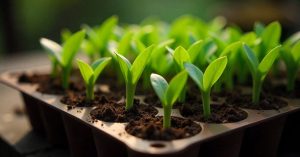
You can divide mature clumps every few years. This helps the plant stay fresh and gives you new pieces to plant elsewhere. The process is simple and steady.Lift the plant gently, separate the clumps, and place them in soft soil. Give water afterward to help them settle.
Companion Plants That Look Great
Ferns create a soft contrast with its color. Their narrow leaves match well with broad hosta foliage. Together, they build a peaceful look.You can also add shade-friendly flowers nearby. These blooms create small highlights that lift the full design.
Seasonal Care Tips
In spring, clean old leaves and add fresh compost. This gives the plant a strong start. A light fertilizer works well.In fall, remove dry stems and tidy the area. This helps the plant stay safe through winter. Mulch protects the soil from cold.
Landscaping Ideas
Use this plant to border walkways or fill space under trees. Its soft leaves make edges look smooth and full. This design fits small and large yards.Groups of three or five produce a strong effect. This simple layout gives your garden a balanced look.
Using This Plant Indoors
You can place it in a shaded balcony corner or near a dim window. The plant adjusts well and brings a calm feel. Keep the soil moist and stable.

Choose a wide pot to let the roots spread. Light feeding keeps indoor plants strong. Good airflow prevents dryness.
How Often to Divide
You can divide it every three to four years. This keeps the plant full and fresh. Dividing also helps control size.When you replant the pieces, they start growing soon. Simple watering helps them recover fast.
Understanding Seasonal Changes
During summer, leaves may feel warm, but shade protects them. Cool soil keeps them stable. In winter, the plant rests and prepares for the next season.These natural cycles support healthy growth. You only need mild care through these stages.
Conclusion
The red hosta plant brings rich color, calm structure, and easy care to shady spaces. You can place it in small garden beds, near fences, or under trees. Its soft leaves create a peaceful look that suits many outdoor styles.
With simple watering, rich soil, and light feeding, the plant thrives through the season. Anyone, even a beginner, can maintain it. When you follow these steps, the red hosta plant stays stunning all year. You can enjoy its beauty for a long time with little effort. When placed well, the red hosta plant becomes the star of shady corners and softens every part of the garden.
FAQs
1. How fast does this plant grow?
It grows at a slow to moderate pace and spreads steadily in shaded areas.
2. Can it survive in full sun?
It prefers shade, and strong sunlight can damage its leaves.
3. How often should I water it?
Keep the soil slightly moist and water when the top layer feels dry.
4. What is the best season to divide it?
Early spring is the safest time to divide and replant new sections.
5. Do pests attack this plant?
Slugs are the most common pests, but simple traps keep them away easily.