Sweet Broom Plant Benefits & Uses
Introduction
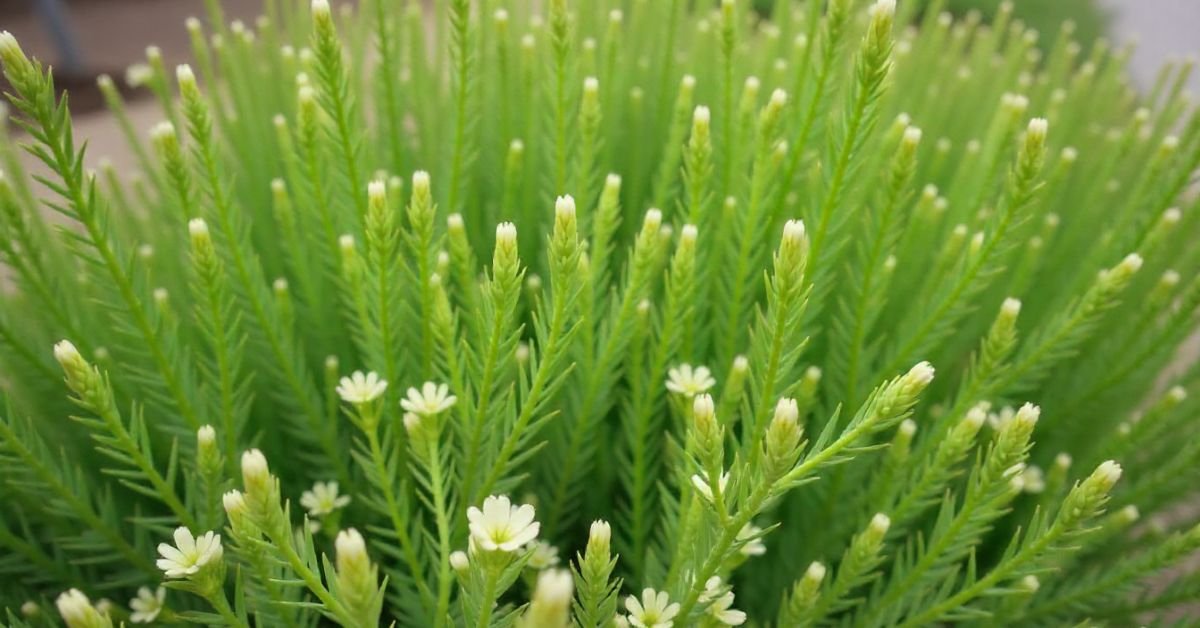
The Sweet Broom Plant is a bright yellow flowering shrub known for its soft stems and sweet scent. It grows fast and adds color to gardens during spring. This plant belongs to the pea family and is famous for its low maintenance and lovely look. Gardeners love it because it survives well in dry soil and full sunlight.
Many people grow this plant to add life and beauty to dull corners. Its bright yellow blooms attract bees and butterflies, making the garden look active and full of life. The plant’s fresh scent fills the air, creating a calm and natural mood around the home. It also grows quickly, so it’s a great choice if you want fast garden results.
Besides its beauty, the plant helps in soil control and slope stability. Some people use its dried branches for decorations or natural fragrance indoors. Its simple care and colourful display make it one of the best choices for anyone who loves easy and cheerful plants.
Quick ID: Look and Size
The shrub has narrow leaves and many thin green stems. In spring, long clusters of yellow flowers cover the tips and make the plant easy to spot.Typical height ranges from small to tall shrubs. Most types reach about three to six feet tall but some varieties stay smaller.
Types and Common Names
Garden sources list several types under this group of plants. Names include common broom, Scotch broom, Genista, and the Canary Island types.

Some types do better in warm places while others handle chill. Choose the type that fits your local weather.
Ideal Site and Soil
Plant in a sunny spot with good drainage. The shrub dislikes heavy, waterlogged ground but tolerates dry, poor soils once it sets roots.Pick a spot where the shrub can spread a little. Avoid tight spaces because it forms a wide, airy shape.
Water and Sun Needs
The plant needs full sun to bloom best. It sends up more flowers when sunlight reaches most of the plant each day.Water new plants more often until they grow strong. After that, the shrub handles dry spells and needs only occasional watering.
Long Care Table
Below is a full care table that covers how to plant and keep this shrub healthy. Use it as a simple guide.
| Aspect | Recommendation | Best time | Notes |
| Planting depth | Plant root ball level with soil | Spring or fall | Do not bury stem crown |
| Light | Full sun (6+ hours daily) | Year round | Shade reduces blooms |
| Soil type | Well drained, neutral to slightly acidic | When planting | Amend heavy clay with grit |
| Watering | Regular until established, then occasional | First year | Deep soak weekly in dry weather |
| Fertilizer | Light feed early spring | Early spring | Too much fertilizer reduces flowers |
| Mulch | Thin layer around roots | After planting | Keep away from main stem |
| Pruning | Trim after flowering | Late spring to early summer | Cut back to shape, avoid old wood |
| Propagation | Softwood cuttings or seed | Summer for cuttings | Seeds may need scarification |
| Cold tolerance | Varies by type (some hardy, some not) | Winter | Protect tender types from frost |
| Pests & diseases | Few major pests; watch blight | Growing season | Good air flow reduces problems |
| Invasiveness risk | High in some regions | Before planting | Check local rules and avoid invasive types |
| Container use | Works in pots if drained well | Any season | Move inside if very cold |
| Bloom time | Late winter to spring | Spring | Varies by climate |
| Lifespan | Short to medium lived | N/A | Many plants reseed themselves |
| Seed control | Remove spent pods to reduce spread | After flowering | Pods can fling seeds far |
Planting Steps
Start with a good hole that is twice the width of the root ball. Set the plant so the top of the root ball matches the soil line. Then backfill and water well.Use a bit of compost if the soil is very poor. Avoid heavy fertilizer because the shrub blooms best when it stays a bit lean.
Pruning and Shape
Prune right after flowers fade. Cut back long stems into a neat shape and remove old dead wood to keep the plant lively.Do not prune hard into old wood because the shrub may not regrow well from bare stems. Light shaping keeps a bush full and attractive.
Propagation: Seed and Cuttings
Propagate from softwood cuttings taken in summer. Dip cuttings in root hormone and place them in a moist, drained mix to root.

You can also grow from seed, but seeds often stay viable in soil for years and can lead to many volunteer plants. Handle seed use with care.
Pests, Diseases and Problems
This shrub faces few insect attacks. You might see aphids or occasional fungal blight in overcrowded, wet spots. Good air movement lowers risk.
Watch for root rot in poorly drained soil. Planting on a small rise or adding grit helps water drain away from the roots.
Uses in the Garden
Use the shrub as a bright focal point in spring. It suits wild, cottage, and low care gardens where bright colour helps lift the space.
It works well as a short informal hedge where quick spring color suits the design. Avoid planting near sensitive natural areas.
Container Growing and Indoor Care
You can keep the shrub in a pot if the container drains well. Move the pot to a sheltered spot in winter for tender types.In a pot, water a little more often and give a light feed before bloom. Report every few years to refresh soil.
Final Care Tips
Choose a sunny site and help young plants through the first year with water. After that, let the shrub face normal dry cycles and enjoy the bright show each spring.
If you live where the plant can escape, avoid planting it. Instead pick a non-spreading cultivar or use a pot to control seeds.
FAQs
1. What is the Sweet Broom Plant?
The Sweet Broom Plant is a hardy, drought-tolerant shrub known for its bright yellow, fragrant flowers and slender green stems.
2. Does the Sweet Broom Plant need a lot of water?
No, it thrives in dry conditions and only needs occasional watering once established.
3. Can I grow the Sweet Broom Plant in pots?
Yes, it grows well in containers as long as the pot has good drainage and receives full sunlight.
4. When does the Sweet Broom Plant bloom?
It typically blooms in spring and early summer, producing clusters of sweet-scented yellow flowers.
5. Is the Sweet Broom Plant low maintenance?
Yes, it is very low-maintenance requiring minimal watering, pruning, and care to stay healthy.