
Introduction
The lavender plant is a fragrant herb known for its calming scent and bright purple flowers. It is also a natural repellent for flies. The strong aroma of lavender keeps flies, mosquitoes, and other insects away. Many people grow lavender indoors or outdoors to enjoy its beauty and natural pest control benefits.
Flies dislike the smell of lavender. This makes it a perfect choice for keeping your home fresh and bug-free. Imagine sitting in your garden or home without the buzz of flies that’s the magic of lavender. Its soothing fragrance adds calmness while protecting your space naturally.
You can place potted lavender plants near windows or doors to stop flies from entering. Lavender oil can also be used in diffusers or sprays. It’s safe, eco-friendly, and easy to use. Growing lavender is not just about beauty; it’s about creating a peaceful, fly-free environment.
What Makes Lavender Effective Against Flies
Lavender gives off a strong floral aroma that humans love but insects hate. The scent contains compounds like linalool and linalyl acetate, which naturally repel flies, mosquitoes, and moths. These compounds confuse insect senses, making it hard for them to locate food or breeding spots near the plant.
Because of this, many homeowners use lavender near windows, balconies, and garden paths to prevent flies from gathering. Unlike chemical repellents, it keeps the air pleasant while doing its job quietly and naturally.
Benefits of Using Lavender as a Fly Repellent
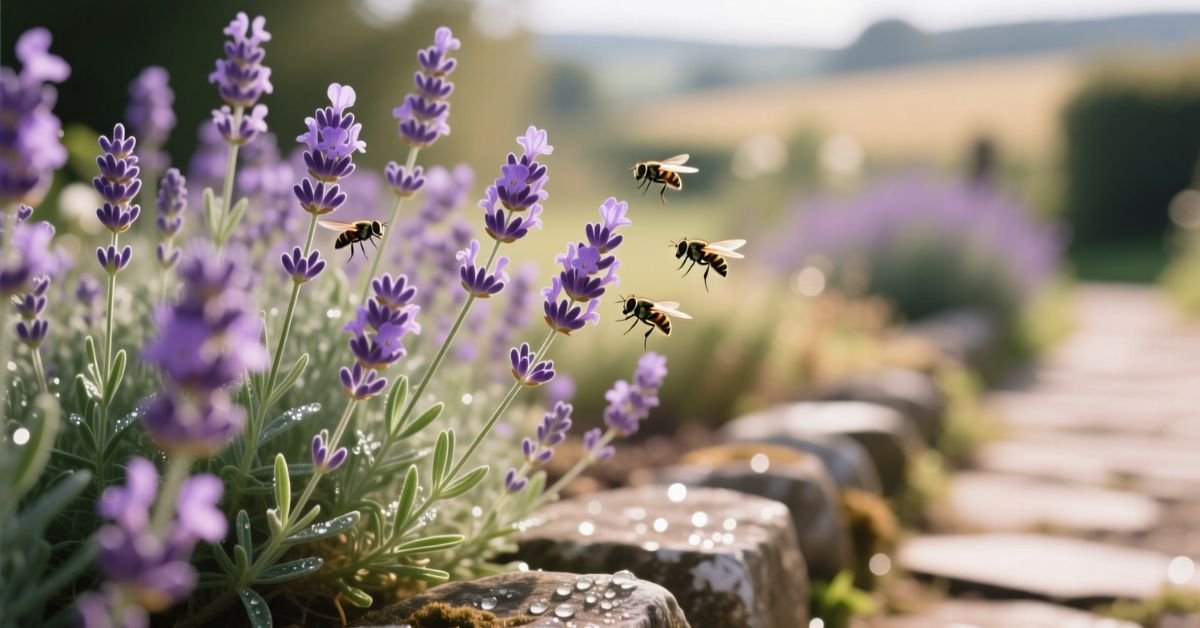
Lavender offers multiple benefits beyond pest control. It beautifies gardens with vibrant purple flowers and attracts pollinators like bees and butterflies while keeping harmful insects away. This balance supports a healthy ecosystem.

Another advantage is its long-lasting fragrance. Even after drying, lavender maintains its smell. Many people use dried lavender bundles indoors to keep flies and other bugs away naturally throughout the year.
How to Use the Plant for Best Results
You can grow lavender in pots, beds, or window boxes. For outdoor use, place plants near doors, patios, or outdoor dining areas. Indoors, position pots near sunny windows for both decoration and protection from flies.
For stronger results, you can crush a few lavender flowers to release more scent. The oils that come out act as a quick fly deterrent. Some people also make simple sprays using lavender oil mixed with water to freshen up rooms or furniture.
Growing Tips for Healthy Lavender
Lavender grows best in full sunlight and well-drained soil. Choose a spot where it gets at least six hours of sunlight each day. It doesn’t like too much moisture, so avoid overwatering.
Use sandy or gravelly soil for better drainage. Trim the plant after blooming to keep it bushy and healthy. Proper care ensures the plant stays strong and produces more aromatic flowers, which increases its fly-repelling effect.
Types of Lavender You Can Grow
Different lavender species work well for both beauty and pest control. The most common types are English, French, and Spanish lavender. Each has its own fragrance level and growing habit.

Here’s a detailed table to help you choose the right one for your needs:
| Type of Lavender | Fragrance Strength | Ideal Climate | Height | Best Use | Fly Repelling Power |
| English Lavender (Lavandula angustifolia) | Strong | Mild, temperate zones | 2–3 ft | Indoors & gardens | Excellent |
| French Lavender (Lavandula dentata) | Medium | Warm, dry regions | 2–4 ft | Decorative use | Good |
| Spanish Lavender (Lavandula stoechas) | Strong | Hot, sunny areas | 1–2 ft | Outdoor pots | Very Good |
| Lavandin (Lavandula x intermedia) | Very Strong | Moderate to dry | 3–4 ft | Large spaces | Excellent |
| Portuguese Lavender (Lavandula latifolia) | Mild | Mediterranean | 2–3 ft | Aromatic oils | Moderate |
This table helps you decide which type suits your climate and space while giving you strong natural protection from flies.
Comparison: Lavender vs Other Natural Repellents
Many natural plants can repel flies, like basil, mint, and rosemary. However, lavender stands out for its dual benefits: beauty and fragrance. It keeps your surroundings fresh without adding a strong or harsh scent.
While mint and basil need more frequent watering and care, lavender is drought-tolerant. Once established, it needs very little maintenance. This makes it one of the easiest plants to grow for keeping flies away naturally.
Placement Ideas for Maximum Effect
Place lavender near areas where flies often gather, such as kitchen windows, backyards, or garbage bins. You can also keep small pots in entryways or living rooms for added freshness.
For outdoor use, lining pathways or garden edges with lavender creates both beauty and function. The plants form a natural barrier that keeps pests from entering sitting or dining spaces.
Using Lavender Oil as an Alternative
If you don’t have space for plants, lavender oil works well too. You can mix a few drops of oil with water and spray it in corners, near garbage bins, or on curtains. This keeps flies away without any toxic chemicals.
Another great idea is to use lavender essential oil in diffusers. The gentle scent spreads through the air and makes your home smell pleasant while discouraging insects from entering.
Common Mistakes to Avoid
One common mistake is overwatering lavender. Too much water can cause root rot and weaken the plant. Always check that the soil is dry before watering again.
Another mistake is placing the plant in a shaded area. Lavender needs sunlight to stay healthy and fragrant. Without enough light, it loses its scent and its power to repel flies naturally.
Quick Maintenance Checklist
- Give full sunlight daily
- Water only when soil feels dry
- Trim after flowering
- Avoid wet or clay soil
- Replant or divide every few years
Following this simple checklist keeps your lavender strong and productive. Healthy plants mean better fly protection.
Final Thoughts
Lavender is not just a flower; it’s nature’s gentle guardian against flies. With its pleasing scent, easy care, and beauty, it’s a perfect choice for both gardens and homes.
By using this plant, you make your surroundings peaceful, fresh, and eco-friendly. It’s a small step toward a cleaner environment and a comfortable living space without flies.
FAQs
1. Does the lavender plant really repel flies?
Yes, it does. The strong scent of lavender confuses flies and keeps them away naturally.
2. Where should I place lavender to keep flies away?
Place it near windows, doors, patios, or kitchen areas where flies often enter or gather.
3. How long does lavender stay effective against flies?
Fresh plants work for months, and dried flowers can repel flies for several weeks if their scent remains strong.
4. Can I use lavender oil instead of the plant?
Yes, lavender essential oil mixed with water makes a natural spray that repels flies indoors.
5. Is lavender safe for pets and kids?
Absolutely. It’s a non-toxic, eco-friendly option that’s safe to use around both children and animals.
