

Introduction
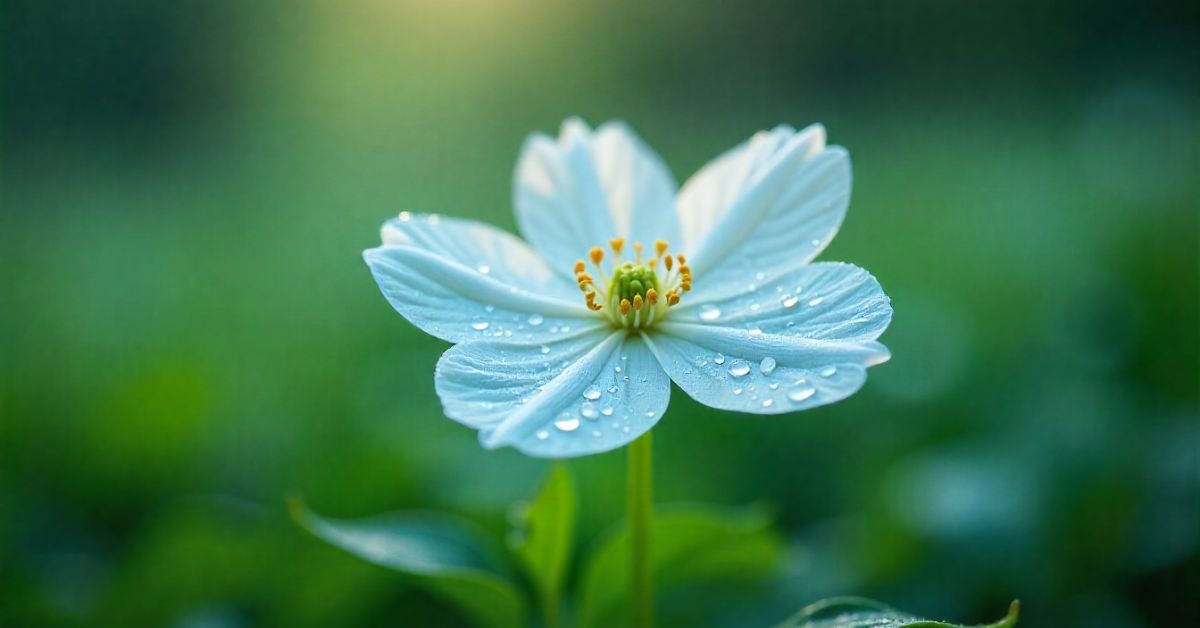
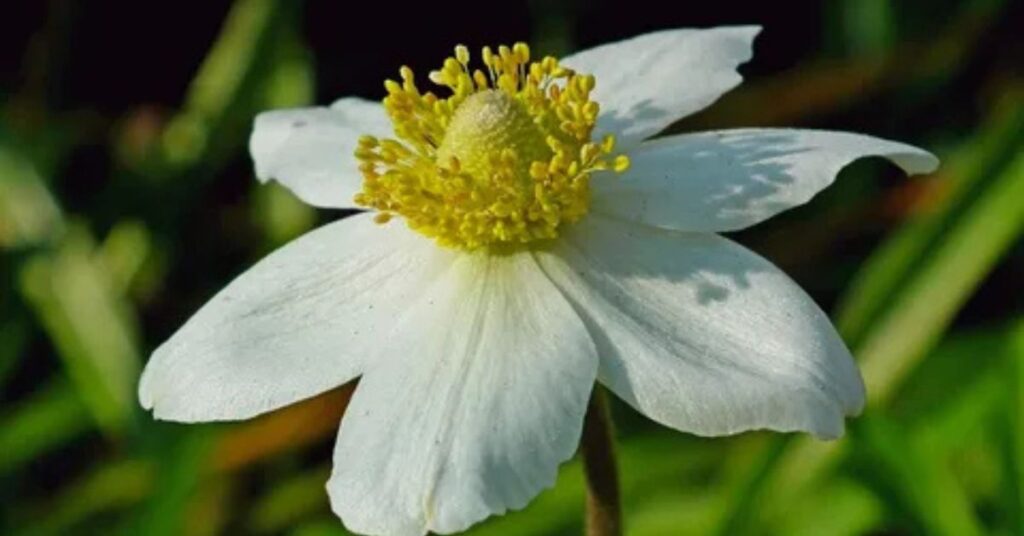
The white anemone plant is a beautiful flowering plant known for its pure white petals and delicate charm. It belongs to the buttercup family and grows well in gardens and containers. This plant is admired for adding elegance and freshness to outdoor and indoor spaces.
Imagine your garden filled with soft white blooms swaying gently in the breeze. The white anemone plant not only brightens up your space but also creates a calming atmosphere. It’s the kind of flower that makes any corner look more peaceful and inviting.
Growing this plant is simple if you follow the right steps. It needs well drained soil, partial sunlight, and regular watering. With proper care, the white anemone plant rewards you with stunning flowers that bring natural beauty to your home or garden.
Quick Facts About Anemone
| Feature | Details |
| Common Names | Anemone, Windflower, Grecian Windflower, Poppy Windflower |
| Botanical Name | Anemone spp. |
| Family | Ranunculaceae (Buttercup family) |
| Plant Type | Herbaceous, Perennial |
| Mature Size | 6 to 48 inches tall, 2 to 3 feet wide |
| Sun Exposure | Full Sun to Partial Shade |
| Soil Type | Moist, well drained |
| Soil pH | Slightly Acidic to Neutral |
| Blooming Season | Spring, Summer, Fall |
| Flower Colors | Red, Orange, Yellow, Blue, Purple, Pink, White |
| Hardiness Zones | USDA 3–10 |
| Native Regions | Asia, Europe, Mediterranean, North America |
| Toxicity | Harmful to humans; mildly toxic to pets |
Anemone Care
To keep anemones healthy and blooming beautifully, follow these essential care tips:
- Seasonal Planting: Plant spring flowering anemones in the fall, and autumn flowering varieties in the spring.
- Cluster Planting: Place the corms (bulb like structures) in small groups, about 1 inch apart and 2 inches deep, similar to how daffodils are planted.
- Sunlight Needs: Ensure the plants receive at least 4 hours of direct sunlight daily for optimal growth.
- Soil Preference: Use soil that is both well drained and consistently moist to support strong roots and vibrant blooms.
Light
Sunlight is essential for anemone growth. Most species love bright light, but some varieties can tolerate partial shade. Even shade loving types should still get at least four hours of sun daily to bloom well. If you live in a hot climate, morning sun with afternoon shade can help prevent the plants from drying out too quickly.
Soil
These plants prefer moist, well drained soil that is rich in organic matter. Before planting, mix in compost, leaf mold, or other organic material to improve texture and nutrients. While anemones are not too picky about soil pH, they thrive in slightly acidic conditions. Good soil preparation ensures healthy growth and abundant flowers throughout the season.
Water
Consistent watering is key to keeping anemones happy. If natural rainfall is less than one inch per week, supplement with slow, deep watering to keep the soil lightly moist. Allow the soil to absorb water gradually rather than flooding it. Some types, like the wood anemone (A. nemorosa), naturally go dormant in midsummer and won’t need watering again until new growth appears in fall.
Temperature and Humidity
Anemones grow best in cool, mild climates.
Ideal daytime temperature: 58 to 65°F.
Ideal nighttime temperature: 42 to 50°F.
Suitable for USDA zones 3 to 10.
No single variety thrives in all zones.
A. blanda grows well in zones 4 to 8.
A. coronaria is best for zones 7 to 10.
In cold regions, plant tender types as annuals.
New corms can be planted each spring.
Humidity is not an issue if soil stays moist.
Fertilizer
Anemones are generally low maintenance and do not need heavy feeding. However, you can give them a boost by working bone meal into the soil in the fall for spring bloomers or in the spring for fall bloomers. This helps enrich the soil and encourage stronger root growth. Beyond this, extra fertilizer is usually unnecessary, as too much feeding can lead to leafy growth with fewer flowers.
Types of Anemones
Anemones come in many species, each offering unique colors, bloom times, and growing preferences. Gardeners can choose from different varieties and cultivars to suit their climate, season, and design style. Below are some of the most popular types of anemones and their characteristics:

| Species | Common Name | Features | Popular Cultivars |
| Anemone blanda | Grecian Windflower | Adapts well outdoors; compact, colorful flowers; blooms in spring. | ‘Blue Star’, ‘Pink Charmer’, ‘White Splendour’ |
| Anemone coronaria | Poppy Anemone | Striking poppy like flowers with black centers; great for floral arrangements; hardy and reliable. | ‘Lord Lieutenant’, ‘Mount Everest’, ‘Sylphide’ |
| Anemone hupehensis var. japonica | Japanese Anemone | Blooms mid summer to late fall; thrives in partial shade; a favorite autumn alternative to mums. | ‘Bressingham Glow’, ‘Pocahontas’, ‘Praecox’, ‘Pamina’ |
| Anemone sylvestris | Snowdrop Windflower | Early spring bloomer; shorter height; perfect for front borders and naturalized areas. | — |
Pruning
- Spring blooming anemones usually do not need pruning.
- Their foliage fades naturally and goes unnoticed.
- Fall blooming types may look messy after frost.
- Cut back dead stems during early winter cleanup.
Potting and Repotting Anemones
Not all anemones grow well in pots, but Anemone coronaria does. Use a large 12–14 inch container with soil mixed with compost. Plant corms about 4 inches apart. For rhizomatous types, place one plant per pot. These anemones do not thrive indoors but can overwinter in a cool greenhouse or sheltered spot. When rhizomatous types become root bound, divide the clump and replant.
Growing Anemones from Seed
- Growing from seed is slow and less reliable.
- Collect seeds from dried flower heads.
- Sow them in a cold frame with loose, well drained soil.
- Lightly cover the seeds with soil.
- Keep seedlings outside under mulch through winter.
- Transplant them the following spring.
- For indoor sowing: give seeds 3–4 weeks of cold stratification, then place in bright light to sprout.
Propagating Anemones
All species can be multiplied by dividing their roots, corms, or tubers. Storing them in fall is helpful if your soil stays wet in winter.
Steps:
- In fall, dig up the clump once foliage dies back.
- For corms: separate offsets and discard any soft or decayed ones.
- For rhizomes: shake off soil and cut into sections, each with a crown.
- Replant immediately or store in a cool, dry place until spring.
- If stored, soak roots overnight in water before planting.
- Orientation doesn’t matter corms will grow whichever way they’re placed.
Overwintering

Hardy anemone species need very little winter care. After flowering, trim the stalks and foliage back to ground level. In colder zones, cover tender types with mulch to protect them. Mulching the crowns also helps prevent root damage from frost.
How to Get Anemones to Bloom
Anemones are admired for their stunning cut flowers, which can last up to two weeks after being harvested. To enjoy abundant blooms, it is important to plant them at the right time and give them proper care.
Bloom Months
Anemones bloom in spring, summer, and fall. They grow quickly and usually flower in their first season. Planting time depends on the species. For spring blooming varieties, plant in the fall. For fall blooming varieties, plant in the spring.
Problems With Anemones
Anemones are generally easy to grow, but like most garden plants, they can face a few challenges. Below are some common problems and simple ways to handle them:
| Problem | Cause | Solution |
| Flopping Flowers | Taller varieties may bend, especially if they lack enough sunlight. | Stake the plants to support them and ensure they receive sufficient sunlight. |
| Holes in Leaves | Snails or slugs feeding on the foliage. | Use snail/slug bait or place shallow saucers of beer to trap them. |
| Plants Die Over Winter | Extreme cold, unexpected thaws, or refreezing can kill some species. | Dig up corms or roots in fall, store them safely, and replant in spring. |
Conclusion
Anemones are graceful, versatile flowers that bring beauty to any garden or arrangement. With the right planting time, proper care, and a little attention to their needs, these blooms will reward you with color and charm season after season.
FAQs
Q1: When should I plant anemones?
Plant spring blooming types in fall and fall blooming types in spring.
Q2: Do anemones need full sun?
Yes, they grow best in full sun but can tolerate partial shade.
Q3: How often should I water anemones?
Keep soil moist but not soggy, especially during active growth.
Q4: Can anemones survive winter outdoors?
Hardy species can, but tender ones may need mulch or indoor storage.
Q5: Are anemones good for cut flowers?
Yes, their blooms last up to two weeks in a vase.
