


Introduction
Planting grass seed in autumn means sowing new seeds during the cooler season. The soil is still warm from summer, and the air is cooler.Healthy seed growth is created by this perfect balance. Autumn planting helps seeds establish strong roots before winter arrives.
Many homeowners choose this season for better results. Young grass is less stressed in cooler weather than in summer. Rainfall is usually more regular, which helps seeds sprout without constant watering. Imagine stepping into spring with a green, thick, and healthy lawn already waiting for you.
To start, clear the area of weeds and debris. Loosen the soil for better seed contact. Spread seeds evenly, and lightly cover them with soil. Water gently to keep the ground moist. With proper care, your lawn will grow strong before the frost sets in.
Why Plant Grass Seed in the Fall?
Planting grass in the fall is the best time of year. The soil is still warm, which helps seeds sprout quickly. Cooler air reduces stress on young plants.In order to support growth, the ground needs regular rainfall. Planting in fall also repairs summer damage from heat and traffic. A thicker lawn grows, making it harder for weeds to take over. Strong roots form before winter, so your grass comes back healthy and green in spring.
How to Plant Grass Seed in the Fall

Step 1: Test the Soil
The foundation of a healthy lawn is healthy soil. Test your soil before planting to make sure it supports seed germination.
- Check pH and nutrient levels in the soil with a soil testing kit.
- For accurate results, send a sample to a soil lab (processing may take about two weeks).
- Adjust pH and nutrients based on the soil test recommendations.
Step 2: Choose the Right Grass Seed
Pick a grass variety that matches your climate, soil type, and maintenance goals.
| Grass Type | Best For | Maintenance Level |
| Bermuda Grass | Warm climates, sunny areas | Moderate |
| Fescue Grass | Cooler climates, shady areas | Low |
| Centipede Grass | Warm climates, low maintenance | Low |
Step 3: Measure Your Planting Area
Know how much seed you’ll need before you start.
- Use an online Area Calculator Tool.
- Enter your address and outline the planting area.
- You should match the square footage on your seed bag with the seeding rate.
Step 4: Prepare the Soil
Give your seeds the best start by preparing the ground properly.
- You can use a nonselective herbicide or a sod cutter to remove weeds and grass.
- Clear away rocks, sticks, and debris.
- The top 2–3 inches of soil should be loosen with a rototiller.
- Mix in topsoil or compost if needed to improve soil health.
Step 5: Plant the Seed and Cover
Now it’s time to sow the seeds.
- Use a broadcast spreader for even seed distribution.
- Cover the seeds lightly with straw, mulch, or a thin layer of soil.
- Rake gently to ensure good seed to soil contact.
Step 6: Water and Fertilize
Give your new grass the right care with water and fertilizer. Immediately after planting, water the soil and keep it moist. Apply a starter fertilizer to nourish the new grass. Deep watering will help the roots grow stronger.
Do the following:
- Water the soil right after planting the seeds.
- Maintain moisture in the top 2 inches of soil until the grass begins to sprout.
- Apply a starter fertilizer to boost growth
- Water deeply (3–4 inches) to encourage strong roots
Step 7: Post Planting Care
Caring for new grass is just as important as planting it.
- Daily Watering: Gently water the soil each day for the first 10–20 days. Adjust if there’s rainfall.
- Weed Control: Do not use herbicides until the lawn has been mowed 3–4 times.
- Transition to Maintenance: When the grass grows to about 3 inches tall, cut back watering to twice a week.
Over seeding for Winter
Over seeding your lawn in fall to keep it green through winter. Spread cool season grass seed over warm season turf. Water the area right after seeding. Keep the soil moist until the new grass grows. Mow the lawn once the seedlings reach 3 inches. Fertilize lightly to support strong growth. This keeps your lawn thick and healthy in cold months.
Types of Grass Grow Best in the Fall
Cool season grasses grow best in the fall. The soil is still warm, and the air is cool. This helps seeds sprout quickly. These grasses stay green through the cooler months. They develop strong roots before winter sets in.
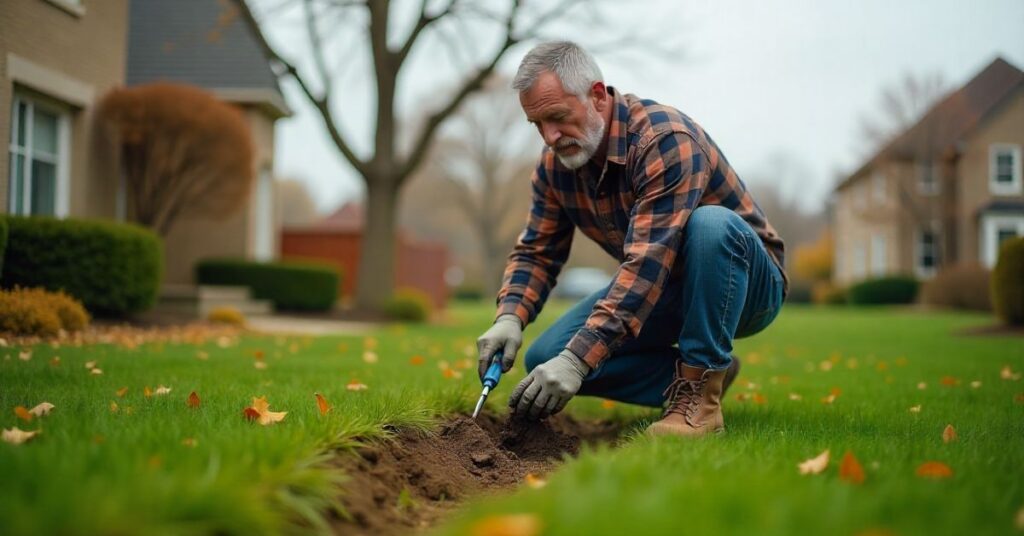
Different grass types work well for different needs. Some grow well in sunny areas, while others like shade. Some need more care, and some are low maintenance. Choosing the right type makes your lawn healthier and easier to manage.
| Grass Type | Best Growing Condition | Maintenance Level |
| Fescue | Cool climates, shade friendly | Low |
| Kentucky Bluegrass | Cool climates, full sun | Moderate |
| Ryegrass | Quick germination, cool weather | Moderate |
| Bent grass | Cool climates, moist soil | High |
Caring for Your Grass After Planting
Care for your grass daily after planting. Lightly water the soil to keep it damp. Avoid walking on new seedlings. Wait until the grass grows 3 inches before mowing. Fertilize gently to support root growth. Keep an eye out for weeds and pull them out by hand. Consistent care helps your lawn grow thick and healthy.
Conclusion
Planting grass in the fall is the best way to grow a strong and healthy lawn. With the right soil preparation, proper seeding, and regular care, your grass will develop deep roots before winter. Keep watering, fertilizing, and protecting the young seedlings. With patience and attention, you will enjoy a thick, green lawn that lasts through every season.
FAQs
1. What is the best month to plant grass seed in the fall?
September to early October is ideal because the soil is warm and the air is cool.
2. How often should I water new grass seed?
Water lightly every day until the seeds sprout, then reduce as the grass grows.
3. Can I fertilize right after planting grass seed?
Yes, use a starter fertilizer to help seeds develop strong roots.
4. How much time does grass seed need to grow in the fall?
Most grass seeds sprout within 7–21 days, depending on the type.
5. Should I cover the grass seed after planting?
Yes, cover gently with straw, mulch, or soil to protect the seeds and retain moisture.
