
Introduction
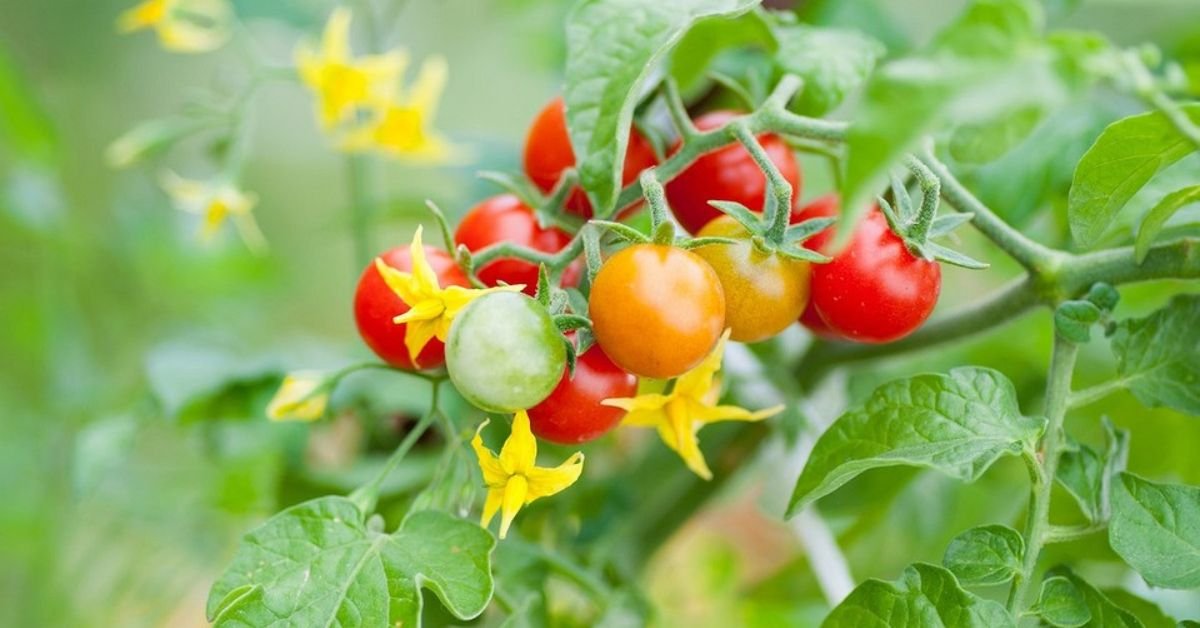
Traditionally, heirloom tomato plants are open pollinated varieties. They are known for their unique colors, shapes, and rich flavors. Unlike hybrids, heirlooms stay true to type and allow you to save seeds for the next season.
Gardeners love heirloom tomato plants for their taste and beauty. Serve a salad filled with red, yellow, and purple tomatoes. Growing them is not just about food, it is about keeping history alive in your garden.
To grow heirloom tomatoes, start with healthy seeds or seedlings. Give them full sunlight, rich soil, and regular watering. Support the plants with stakes or cages, and watch them thrive into a colorful harvest.
What Is a Heirloom Tomato?
Heirloom tomatoes are old varieties passed down through families and gardeners for generations. They are open pollinated, so you can save the seeds and grow the same type again. Unlike hybrids, heirlooms keep their original taste, shape, and size. For example, the ‘Green Zebra’ looks like an heirloom but is actually a newer hybrid.
Many growers also use the term for any tomato not bred for mass production. These tomatoes are valued for flavor, color, and unique shapes instead of uniformity. Famous varieties include Mortgage Lifter, Arkansas Traveler, Yellow Taxi, Black Krim, and German Johnson Pink. Each carries history along with rich flavor.
Key Plant Attributes
| Attribute | Details |
| Common Name | Heirloom Tomato |
| Botanical Name | Solanum lycopersicum |
| Family | Solanaceae |
| Type | Warm season Vegetable / Fruit |
| Mature Size | 3–10 feet tall, 1–4 feet wide |
| Sun Requirement | Full sunlight |
| Preferred Soil | Moist but well draining soil clay, loam, or sandy mixes |
| Soil pH | Slightly acidic (5.8–6.8) |
| USDA Zones | 2–11 |
| Native Region | South America |
| Toxicity | Toxic to pets and mildly toxic to humans, leaves, stems, and roots |
Heirloom Tomato Care
Sunlight should be available six hours a day for heirloom tomato plants. Composted and mulched soil is best for them. Water them regularly and support them with a stake, cage, or trellis. Unlike hybrids, they are not bred for disease resistance but have natural strength. With proper care, they grow healthy roots and thrive.
Many heirloom varieties come from cooler regions like Germany and Russia. They may struggle in hot summers. Mulching keeps the soil cool and moist. Compost adds nutrients and helps them grow better in warm climates.
Light
Ideally, heirloom tomatoes should be planted in full sun for at least six hours a day. If you start seeds indoors, harden off seedlings before transplanting. Place them outside in bright, indirect light, then slowly increase their outdoor time by one to two hours each day. Once the seedlings adjust, move them to a sunny spot in the garden.
Soil
Grow tomatoes in fertile, well drained soil that is slightly acidic. Test your soil before planting and add amendments if needed, especially lime for overly acidic soil. If the soil lacks organic matter, mix in compost at planting time. Compost improves nutrients and helps the soil hold moisture.
Water
Keep the soil evenly moist to help tomatoes thrive. Add 2–3 inches of mulch, such as bark, straw, or shredded leaves, to conserve water. Check moisture by sticking your finger in the soil; if the top inch feels dry, water the plant. Regular watering prevents problems like cracking, splitting, and blossom end rot.
Temperature and Humidity
Tomatoes grow best in daytime temperatures between 70°F and 80°F. Avoid planting until the danger of frost has passed, as growth slows when nights drop below 55°F. Hot days above 85°F can prevent fruit from forming, but plants usually resume production when temperatures cool. In hot southern regions, gardeners often plant one crop in late winter and another in late summer for fall harvests. Adjust watering for your climate dry areas may need more frequent watering, while very humid conditions can reduce pollination.
Fertilizer
Feed tomatoes with fertilizer to support their heavy growth. Use a tomato specific fertilizer with low nitrogen to encourage fruiting rather than leafy growth. Most blends include calcium to prevent blossom end rot. Apply fertilizer at planting, then side dress when fruits first appear. Feed every four to six weeks if needed, but avoid fertilizing in extremely hot weather.
Types of Heirloom Tomatoes
Heirloom tomatoes come in many colors, shapes, and flavors. Each variety has its own unique charm. Here are some popular choices:
- Amish Paste :Plum shaped, bright red, great for sauces and canning.
- Black Cherry :Small, round, deep brown, with a rich and sweet flavor.
- Black Krim :Medium sized, dark maroon with green shoulders, bold taste.
- Brandywine :Large, ridged, red or pink beefsteak, famous for full flavor.
- German Johnson :Medium sized, similar to Brandywine, tangy and acidic.
- Mortgage Lifter :Huge pink red beefsteak, juicy and sweet.
- San Marzano :Classic Italian tomato, sweet and perfect for sauces.
- Yellow Pear :Small, pear shaped, mild and very productive.
Pruning Heirloom Tomatoes
Pruning helps heirloom tomatoes stay healthy. It improves airflow and directs the plant’s energy toward producing bigger and better fruit.
Determinate vs. Indeterminate
Indeterminate and determinate tomato plants exist.
- Determinate heirlooms are bush types that stop growing once they mature. They produce fruit in a short season and don’t need pruning. In fact, pruning them can reduce your harvest.
- Most heirloom varieties are indeterminate. All season long, they grow and produce fruit. These plants benefit from careful pruning.
How to Prune Indeterminate Tomatoes
- Wait until the plant starts flowering or fruiting, then begin pruning.
- Remove suckers that grow in the “V” between the main stem and branches. Use clean pruners or pinch them off with your fingers.
- Keep one sucker just below the first cluster of flowers if you want a multi stemmed plant. This sucker will turn into another fruiting stem.
- Cut off any branches growing on or near the ground. Tie heavy branches to a cage or trellis for support.
Propagating Heirloom Tomatoes
Heirloom tomatoes are very easy to propagate. When you bury part of the stem, it naturally grows new roots. You can use pruned stems to create new plants:
- Select healthy stems and keep only the top two leaves.
- Place each stem in a pot with rich potting soil.
- Water well and keep the soil moist.
- Set pots in bright, indirect light until roots form.
- Once rooted, gradually move plants into stronger light before transplanting them into the garden.
Growing Heirloom Tomatoes from Seed
Seed catalogs offer more heirloom varieties than most garden centers. Start seeds about six weeks before your last frost date.
Steps to grow from seed:
- Fill a seed tray or pots with seed starting mix.
- Plant seeds ¼ inch deep; place 2–3 seeds per cell in case some don’t germinate.
- Water thoroughly, cover with plastic wrap or a dome, and keep them warm 75–85°F.
- Remove the cover after seedlings sprout, usually within a week.
- Thin out weak seedlings once the first true leaves appear.
- Transplant into larger pots when roots outgrow small cells.
- Harden off plants by slowly introducing them to outdoor light and conditions.
Pot Size and Soil
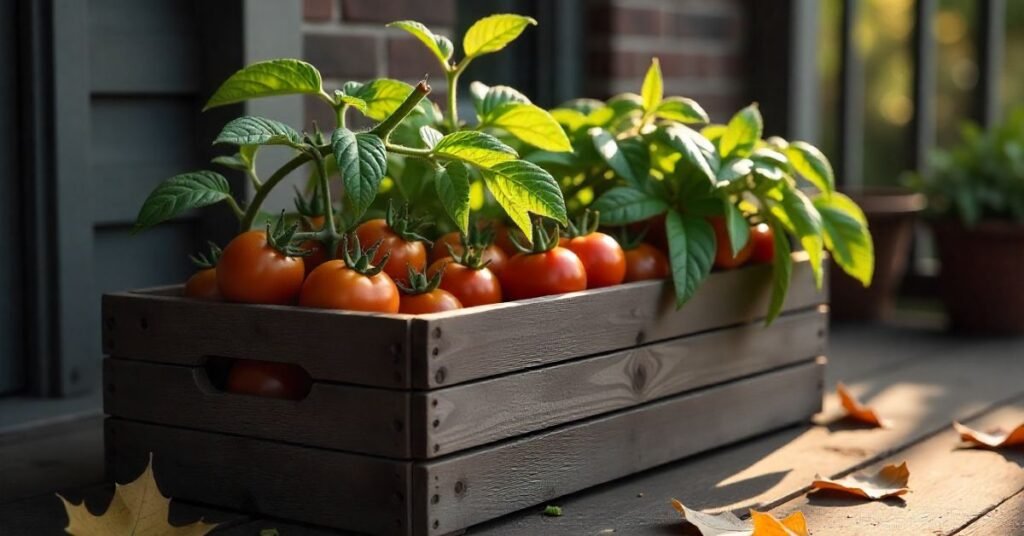
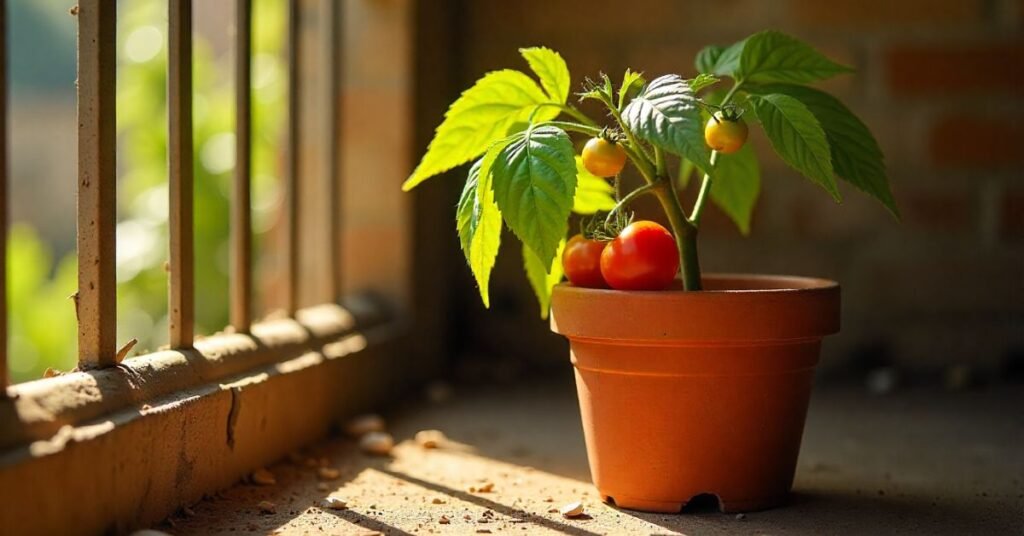
Heirloom tomatoes grow well in containers if you provide enough space. Use an 18 inch pot for determinate (bush) varieties and at least a 24 inch pot for indeterminate types. Choose high quality potting soil and ensure good drainage. Add support with a stake, trellis, or cage.
Watering and Repotting
Potted tomatoes dry out faster and need frequent watering. Check the top inch of soil and water when it’s dry, but keep it from getting soggy. If you need to water several times a day, repot the plant into a larger container.
Moisture Retention
Spread a thin layer of mulch over the soil to retain moisture. Placing a saucer under the pot also helps the plant absorb extra water throughout the day.
Common Pests & Plant Diseases
Heirloom tomatoes are vulnerable to many diseases. Use crop rotation, avoid planting in the same spot yearly, and never replant in diseased soil for at least 3 years. Remove weeds and test soil. Add lime if the soil is too acidic.
Common Tomato Diseases
| Disease | Symptoms | Control |
| Bacterial Wilt | Sudden wilt, brown stem inside. | Remove and bag plants. Don’t compost. |
| Early Blight | Brown spots, yellow leaves, black fruit spots. | Trim leaves/fruit, use fungicide if severe. |
| Late Blight | Dark spots, brown fruit, white mold. | Remove and destroy plants. |
| Southern Blight | Brown stem lesion near soil, white patches. | Pull plants; protect others with neem oil/fungicide |
| Fusarium Wilt | Lower leaves wilt, yellow, brown stem inside. | Remove plants. |
| Tomato Spotted Wilt | Bronze leaves, yellow fruit spots. | Remove plants, spray neem oil or insecticidal soap. |
| Tobacco Mosaic Virus | Mottled, stringy leaves. | Pull plants, control thrips/whiteflies. |
| Septoria Leaf Spot | Small dark spots with pale centers on leaves. | Remove foliage, improve airflow, use fungicide. |
| Anthracnose | Sunken fruit spots with black centers. | Harvest often, remove infected fruit. |
Common Problems With Tomatoes
Heirloom tomatoes also face problems from weather and soil conditions. These issues can affect fruit shape, color, and leaves.
- Blossom End Rot :Brown, sunken bottoms on fruit caused by calcium deficiency or uneven watering. Keep the soil moist, test the pH, and add calcium if necessary.
- Cracking & Catfacing :Fruit splits or scars from sudden growth after rain or extreme temperatures. Water regularly to prevent it.
- Sunscald :White or gray patches on fruit exposed to hot sun, often when plants lose leaves. Use shade cloth and encourage healthy growth.
- Leaf Roll : Leaves curl from heat or lack of water. Usually harmless. Water if needed.
- Herbicide Injury :Yellow or distorted leaves caused by weed killer drift. Protect plants from chemical sprays.
Conclusion
Heirloom tomatoes can face different challenges, from diseases to weather and soil issues. With proper care like regular watering, healthy soil, and protection from pests you can prevent most problems. Paying attention to early signs helps keep your plants strong and ensures a healthy, flavorful harvest.
FAQs
- Why do my heirloom tomatoes have brown bottoms?
This is blossom end rot, often caused by calcium deficiency or irregular watering. - Why are my tomatoes cracking?
Cracks appear when tomatoes grow too fast after heavy rain or uneven watering. - What causes white spots on tomatoes?
White spots are usually sunscald, caused by too much direct sunlight on exposed fruit. - Why are my tomato leaves curling?
Leaf roll can happen from stress, lack of water, or sometimes disease, but it often doesn’t harm the plant. - Can weed killers damage my tomatoes?
Yes, herbicide drift can yellow or distort leaves even if plants stay green.
